
Asset management solution
You will find the answers here →
If you are a business leader who pays close attention to asset conditions and values refined management, you may often face troubles such as time-consuming and labor-intensive asset inventories, difficult-to-trace circulation records, and the coexistence of idle assets and duplicate purchases... How can you make every asset "visible, manageable, and well utilized"?
In fact, with mature RFID technology, building an intelligent asset management system is far simpler than imagined. By giving each asset its own exclusive "digital ID," your enterprise will establish a digitally managed network that is fully visible and updated in real time. This not only means saying goodbye once and for all to the traditional model of manual bookkeeping and repeated verification, but also represents your asset management moving toward a new stage of precision and intelligence.
RFID Asset Management Application Scenarios

Enterprise and Institutional Office Assets

Educational and research equipment

Industrial automation assets
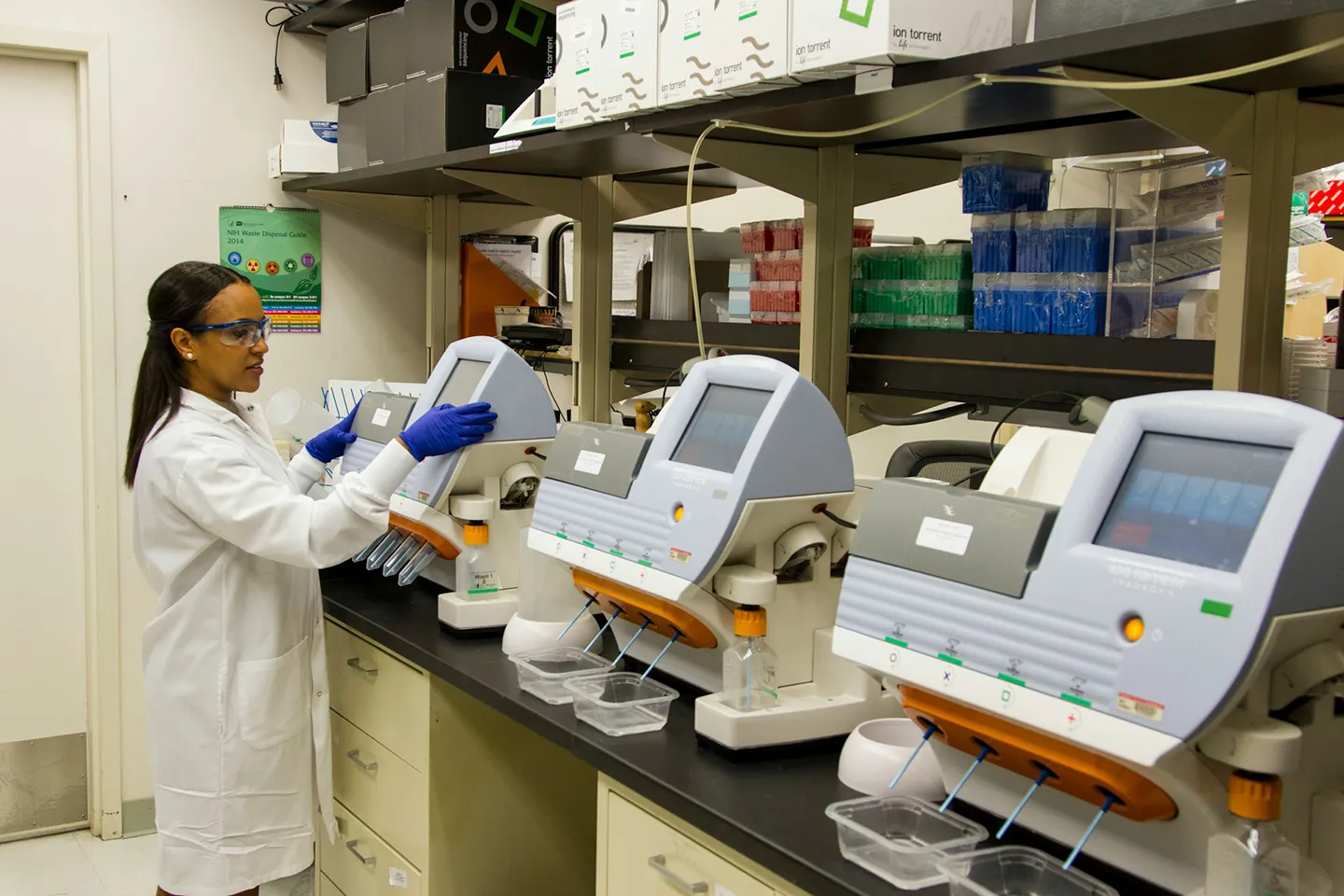
Medical and healthcare consumables
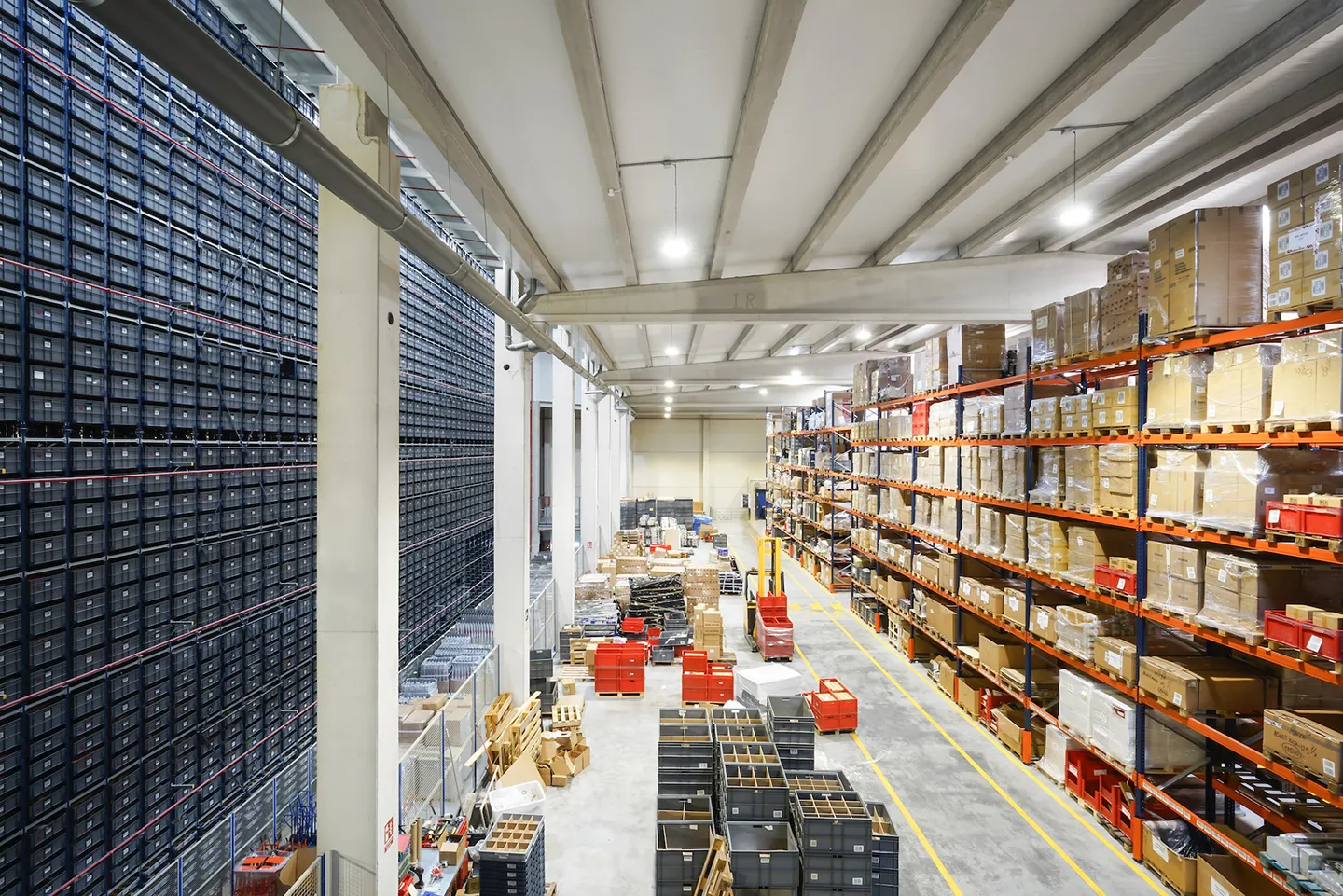
Logistics and Warehousing Equipment
Introduction to RFID Asset Management Solutions
When managing large numbers of assets such as machinery, transport vehicles, and office equipment, traditional manual accounting methods are often inefficient, time-consuming, and labor-intensive. With RFID technology, enterprises can efficiently complete fixed asset inventories and status records, track asset movements and changes in real time, and effectively prevent asset loss or unauthorized transfer. This not only greatly improves the management level and security of fixed assets but also avoids ineffective purchases of redundant equipment. At the same time, the technology helps increase the utilization of idle assets, thereby optimizing production capacity and operational efficiency and providing strong support for improving corporate economic benefits.
RFID Asset Management SolutionLeveraging RFID technology and integrating three core modules—tags, read/write devices, and management systems—it enables intelligent full-lifecycle control of assets from warehousing, requisition, and circulation to disposal, creating a visualized, efficient, and precise asset management system for enterprises.
This solution uses a "hardware terminal + software platform" core architecture: the hardware side includes RFID tags adapted to different asset types (adhesive labels, anti-metal tags, etc.), handheld readers, fixed reading gates, and desktop readers; the software side is equipped with an intelligent asset management system that supports asset information entry, real-time monitoring, data statistics, report generation, and other functions. By binding tags to assets, reading and writing devices collect dynamic asset data, and the system performs cloud-based synchronous analysis, breaking down the information silos of traditional manual management and achieving full-process digital control of assets.
Application Areas

Enterprise Office
Office equipment such as management computers, printers, and projectors, as well as documents and archives and office furniture, solving the problems of difficult cross-departmental circulation traceability and time-consuming inventory counting.

Industrial automation
Manage and control production equipment, molds, tooling fixtures, and parts to achieve precise scheduling and loss traceability of production tools.

Healthcare
Trace surgical instruments, infusion sets, and other medical consumables, manage medical equipment, and ensure compliant use of consumables and timely equipment maintenance

Education and research
Manage university laboratory instruments, library books, and classroom multimedia equipment, adapting to cross-regional asset management needs across multiple campuses and buildings.

Logistics and warehousing
Track pallets, turnover boxes, shelves, and other warehousing equipment, and combine with cargo tags to achieve linked asset and cargo management, improving inbound and outbound efficiency.

Government and public institutions
Manage official vehicles, office equipment, and law enforcement instruments to meet the management requirements of asset transparency and compliance auditing.
Usage process
Asset Binding
Asset binding: Affix the corresponding RFID tag to each type of asset, and use a desktop reader to write information such as asset name, specifications, value, and purchase date into the tag, completing the asset "identity registration."
Dynamic Tracking
When assets are checked out or transferred, the reader/writer device automatically identifies the tag information and updates data such as the user and storage location in real time, synchronizing it to the management system.
Smart Inventory
Management personnel use handheld readers or fixed reading gates to read asset tag information in batches. The system automatically cross-checks with the asset ledger and generates inventory reports, eliminating the need for manual reconciliation one by one.
Scrapping and archiving
After an asset reaches the end of its service life, a scrapping application is initiated through the system. Once approved, the asset status update and file archiving are completed, ensuring the asset ledger is clear and traceable.
We understand the issues you care about →
Pain Points Solved
| Core pain points | RFID Solutions |
|---|---|
| Traditional manual stocktaking is inefficient and time-consuming; especially for enterprises with multiple campuses and factories, stocktaking cycles can last for weeks | The solution enables rapid batch inventory counting, greatly improving efficiency |
| Asset circulation records are unclear, making it easy for assets to be lost, used privately, or left idle and wasted, and difficult to trace | The system records asset movements in real time, with full traceability throughout the process, reducing asset loss |
| Asset ledgers are not updated in a timely manner, and records do not match reality, affecting financial accounting and decision-making | Data is automatically synchronized, improving the accuracy of records and providing a reliable basis for management decisions |
| Idle assets coexist with duplicate procurement, resulting in low resource utilization | The system visually displays asset usage status, facilitating rational allocation and reducing procurement costs |
RFID Empowerment Results
1. Leap in Efficiency: Inventory counting time is compressed from "weekly" to "hourly"; a single person can complete asset inventory, greatly saving labor costs;
2. Precise management:Full asset lifecycle tracking is traceable, the discrepancy rate between records and actual inventory decreases, and asset loss and waste are avoided;
3. Cost optimization:Through rational asset allocation, the utilization rate of idle assets is improved, duplicate procurement spending is reduced, and costs are lowered while efficiency is increased;
4. Decision Intelligence: The system generates data reports on asset usage frequency, wear rate, depreciation, etc., providing data support for asset procurement, maintenance and scrapping, and enhancing the scientific nature of management decisions.
Related product recommendations

RFID adhesive label
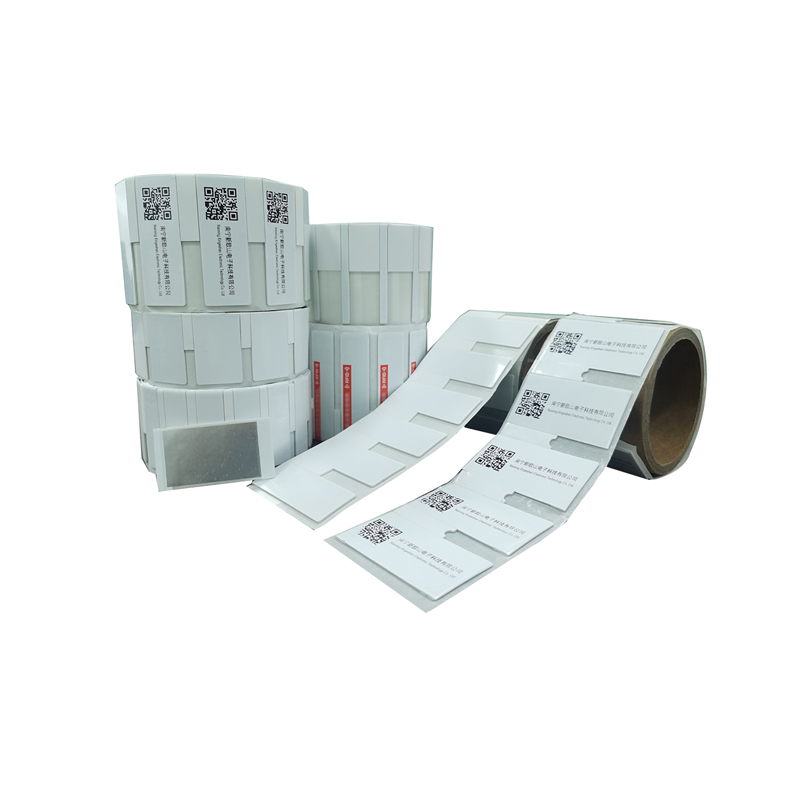
RFID flexible anti-metal tag

RFID Specialty Tags

RFID Handheld Reader
