Aviation Management Solutions
You will find the answers here →
If you are an aviation manager responsible for flight safety and efficient operations, facing cumbersome challenges such as baggage mishandling, aviation material traceability, and maintenance tool supervision, you may already be thinking about how to use smart technology to preempt risks and make processes visible.
In fact, with mature RFID technology, building a full-process digital record for every piece of luggage, every aircraft part, and even every maintenance tool is far easier to achieve than imagined. This aviation management solution, centered on "one item, one code, full-process visibility," can significantly reduce manual errors and improve operational efficiency.
Next, we will systematically present how RFID integrates into key scenarios such as baggage transport, aviation material management, and maintenance support—centered on "RFID tags + intelligent read/write terminals + full-link management platform," integrating UHF RFID technology with aviation industry operating standards to achieve full lifecycle digital control of baggage, aviation materials, cargo and mail, and ground equipment, providing airlines, airports, aviation maintenance enterprises, and others with safe, efficient, and precise intelligent operational support.
RFID Aviation Management Application Scenarios

Full-Journey Baggage Tracking

Cargo, mail and dangerous goods transport

Airport Ground Equipment Management

Aviation Material Management and Maintenance
Introduction to RFID Aviation Management Solutions
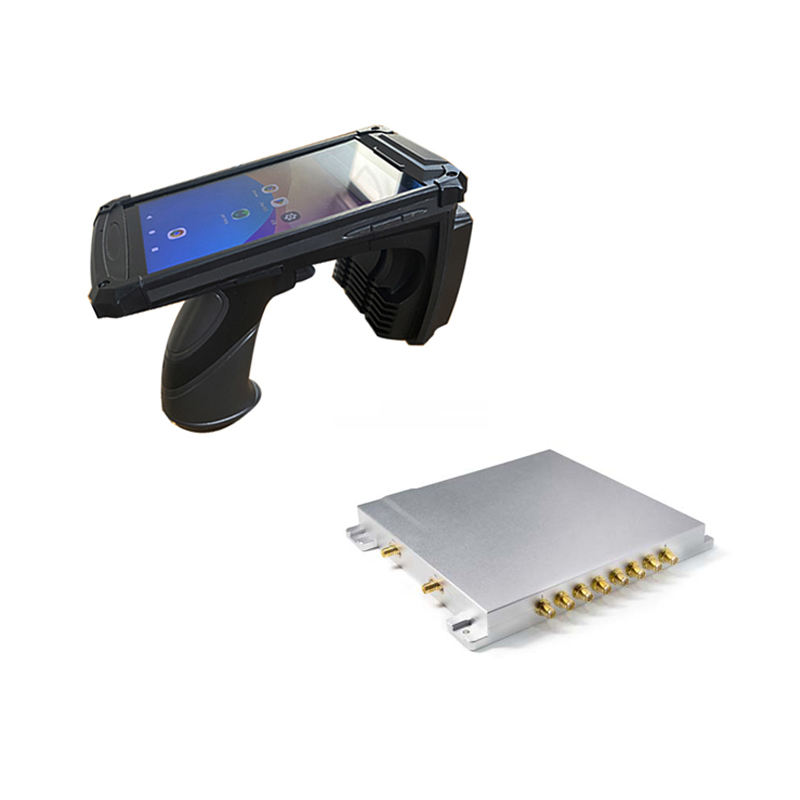
This solution is based on industry standards such as ISO 18000-6C. By equipping controlled objects (baggage, aviation materials, cargo and mail, tools) with RFID tags that are highly interference-resistant, resistant to high and low temperatures, and wear-resistant, and binding unique identity codes and core information (such as baggage flight numbers, aviation material maintenance records, cargo and mail dangerous goods categories, etc.), and combining airport fixed read/write stations, handheld read/write terminals, portal read/write equipment, and aviation-specific management systems, it builds an intelligent control system of "one item, one code, full-process visibility," ensuring real-time data synchronization, traceable processes, and risk alerts.
Application scenarios
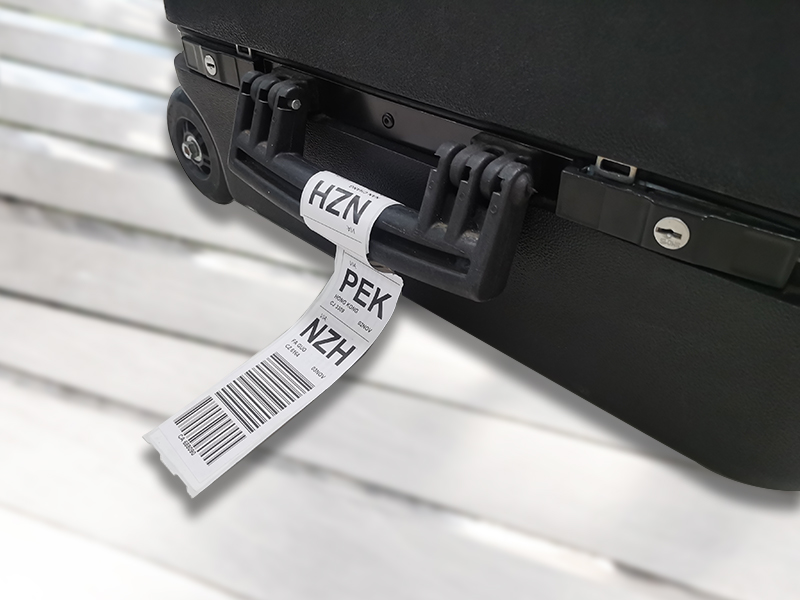
Full-process baggage management: covers all stages including airport check-in, sorting, loading, transfer, and arrival pickup, solving the difficulty of tracing mishandled, lost, and damaged baggage;
Cargo mail and dangerous goods transportation: For general cargo mail and aviation dangerous goods, tags record cargo information, transportation conditions, and dangerous goods levels, enabling real-time monitoring of transportation status and avoiding safety risks;
Airport ground equipment management: manage ground equipment such as boarding bridges, baggage trailers, forklifts and maintenance tool vehicles, enabling location tracking, usage frequency statistics and maintenance cycle reminders to ensure compliant equipment operation;
Aviation maintenance scenario: record the checkout, return, and calibration information of maintenance tools, trace the maintenance processes and quality inspection results of aviation materials, and avoid safety hazards such as tools left on aircraft and unqualified aviation materials being installed.


Usage process
Label binding
Enter unique identity information and core data for luggage (affix RFID luggage tags), aviation materials (fix anti-metal tags), and cargo and mail (attach dedicated tags) (such as aviation material model, luggage destination, cargo and mail weight), completing "digital file creation"; write value, purchase date, and other information into the tag, completing asset "identity file creation."
Intelligent Data Collection
Through airport check-in counter readers, sorting center portal read/write stations, and fixed read/write devices in maintenance workshops, the circulation information of controlled objects is automatically collected and synchronized to the management platform in real time.
Dynamic monitoring
Management personnel can view baggage sorting progress, aviation material inventory status and cargo and mail transport trajectories in real time through the platform, and abnormal situations (such as baggage mis-sorting or aviation materials overdue for maintenance) automatically trigger alerts.
Verification Handover
Before installation, during cargo transfer, and when returning tools, information is quickly verified through handheld reading terminals to ensure "consistency between goods and accounts," with handover records automatically retained.
Traceability and Review
Management personnel can view baggage sorting progress, aviation material inventory status and cargo and mail transport trajectories in real time through the platform, and abnormal situations (such as baggage mis-sorting or aviation materials overdue for maintenance) automatically trigger alerts.
We understand the issues you care about →
Pain Points Solved
| Core pain points | RFID Solutions |
|---|---|
| Baggage sorting relies on manual scanning, resulting in high misrouting rates and difficult traceability after loss | RFID automatic identification reduces manual intervention, greatly lowers the rate of baggage mishandling, and enables rapid node location after loss |
| Manual entry of cargo and mail information lags, and the transport status of dangerous goods is difficult to monitor | Real-time data synchronization, with instant alerts for abnormal parameters such as temperature and humidity of hazardous materials |
| Ground equipment and maintenance tools are scattered, making inventory time-consuming and prone to omissions | Batch rapid inventory counting, improved counting efficiency, and tool loss risk reduced to near zero |
| Regulatory audits require manual organization of massive paper records, resulting in low efficiency | Full-process digital records, one-click export of audit reports, compliant with industry regulatory requirements |
RFID Empowerment Results
1. Security upgrade: Through full-process traceability and anomaly alerts, safety risks in key aviation operation links are greatly reduced, the compliance pass rate is improved, and a solid defense line for flight safety is built;
2. Experience enhancement: Passenger baggage claim accuracy improved, and complaint rates dropped significantly; airport and airline operations coordination became smoother, and management decisions are better supported by data.
3. Efficiency leap: Baggage sorting efficiency improved, aviation material inventory time compressed from "days" to "hours", cargo and mail transfer handover efficiency improved, greatly reducing labor costs;
4. Cost Optimization: Reduced compensation costs for lost baggage, lower idle rates of aviation materials, and reduced replenishment costs for maintenance tools, achieving cost reduction and efficiency improvement;
Related product recommendations
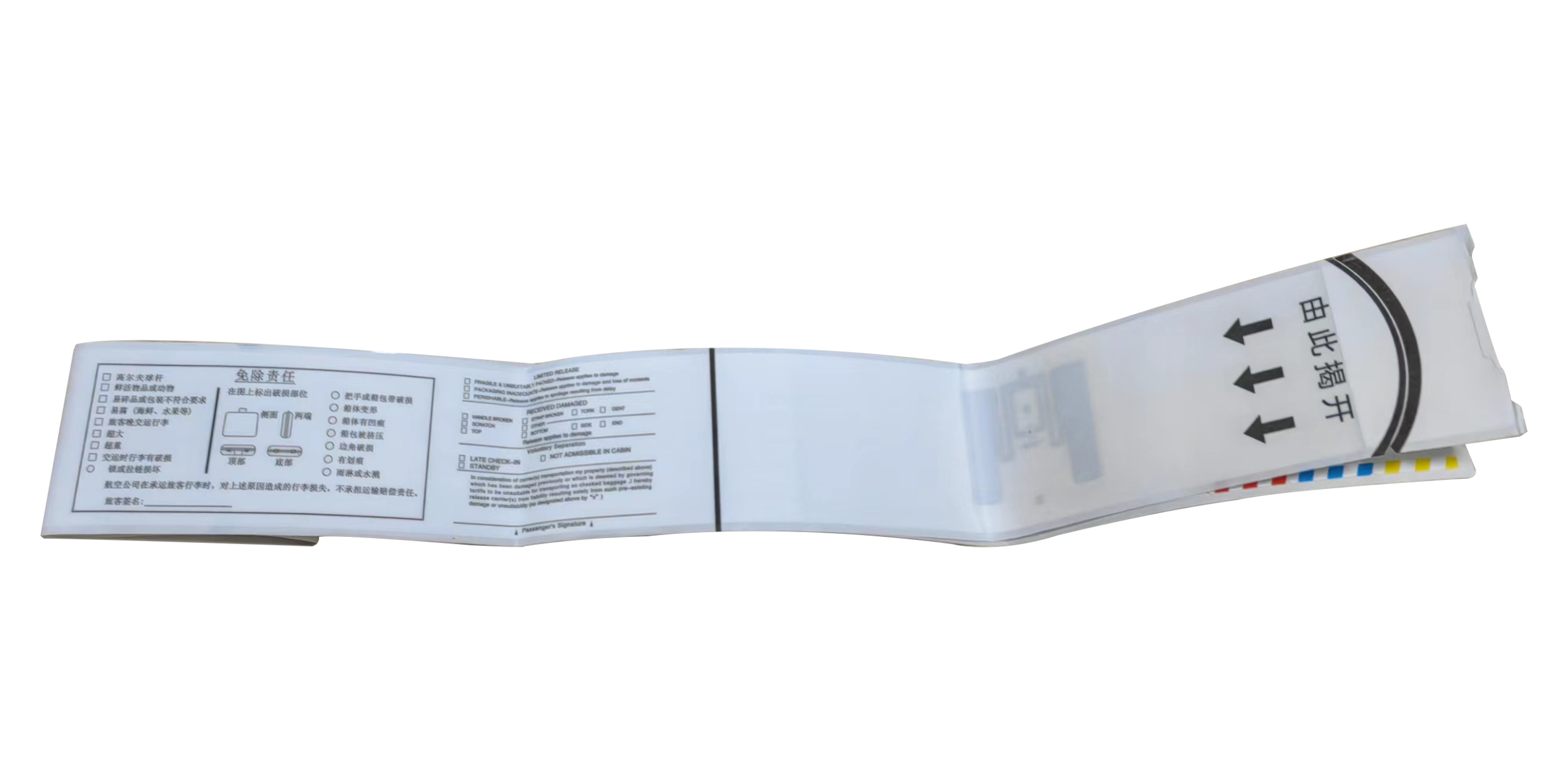
RFID Aviation Baggage Tags
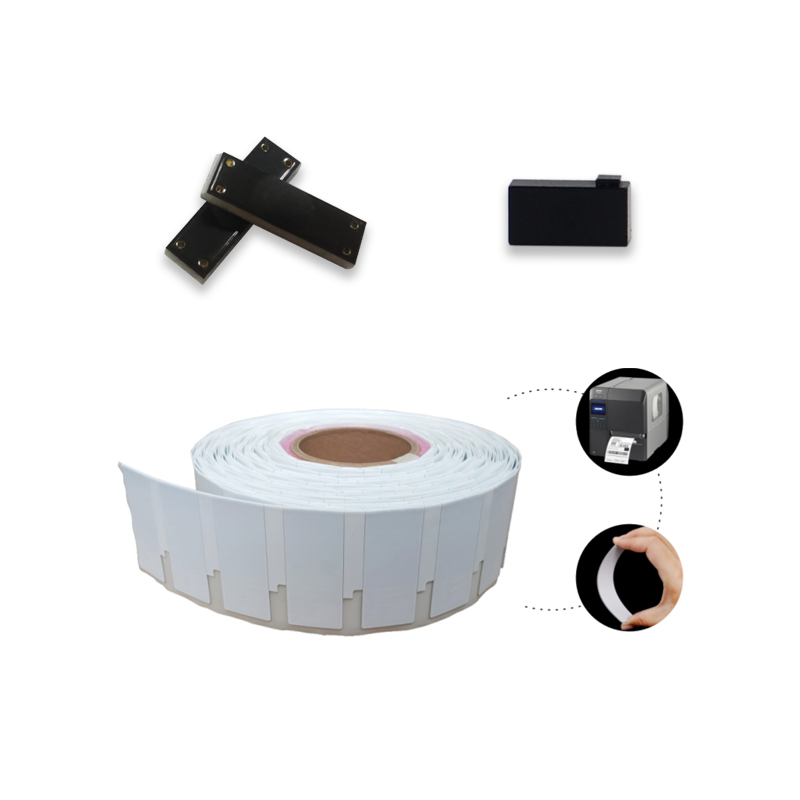
RFID Anti-Metal Tag
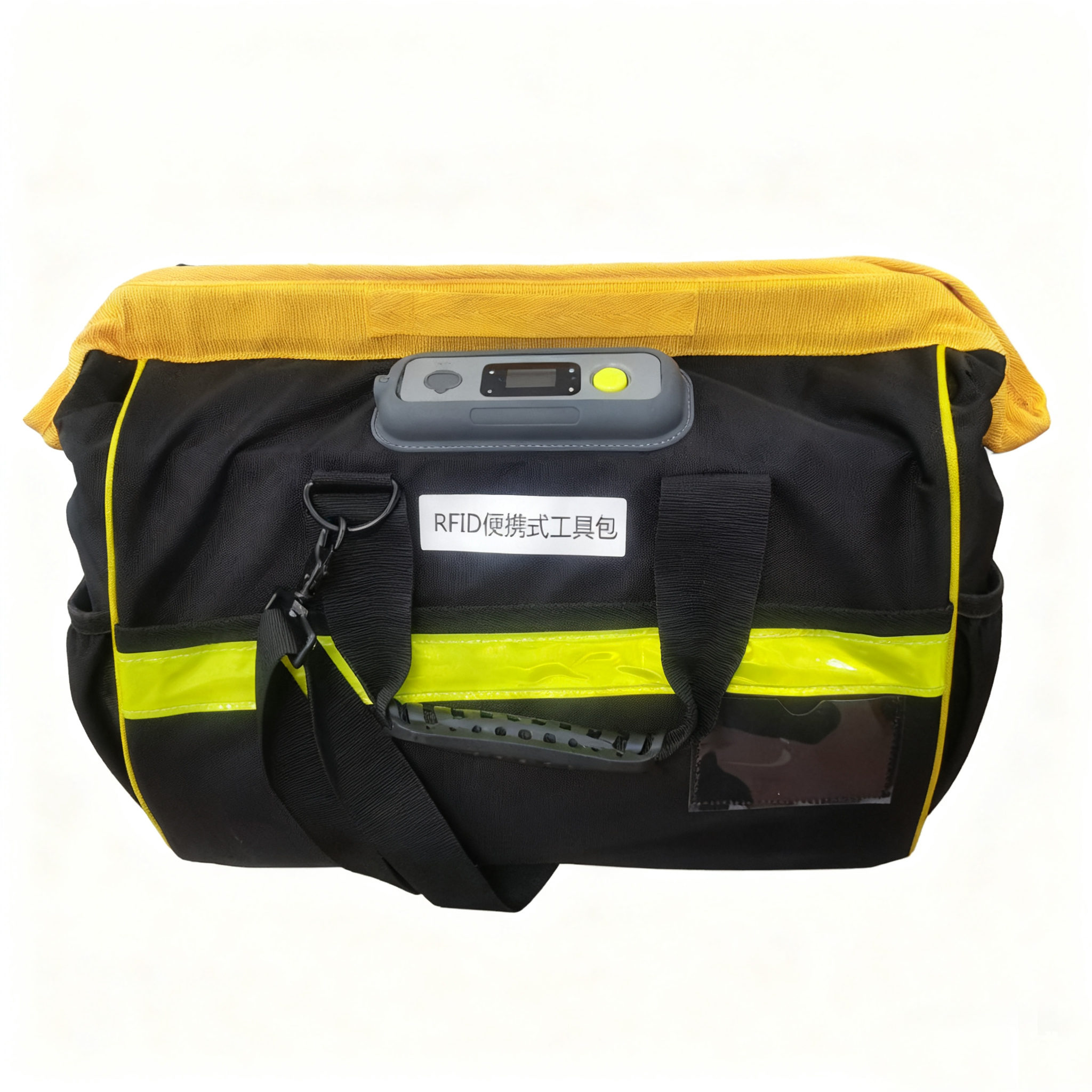
RFID Smart Tool Kit
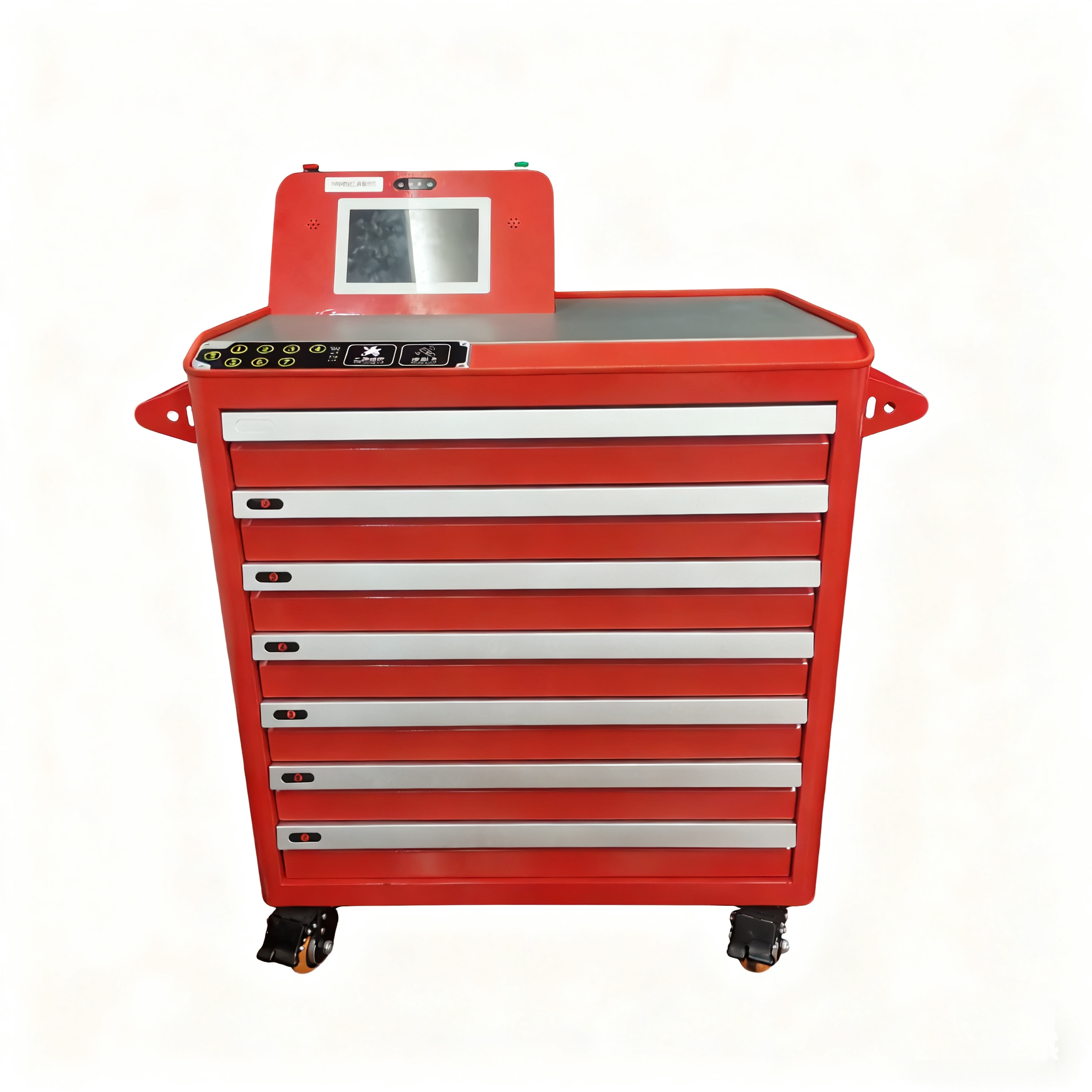
RFID smart tool cabinet