Logistics Management Solution
You will find the answers here →
If you are a manager who strives for excellence in logistics operations and pursues superior experiences, you may often wonder: How can every shipment's trajectory be clearly visible in an increasingly complex supply chain? How can the bottleneck of manual sorting be overcome to achieve a qualitative leap in logistics efficiency?
In fact, with mature RFID technology, building a modern logistics system with full-process visibility and intelligent decision-making is far simpler than imagined. Based on leading passive RFID technology, we create full-chain digital solutions from "warehouse" to "distribution" for you, enabling goods to automatically "report" their whereabouts at every stage, driving cost reduction and efficiency improvement in logistics operations, and delivering an excellent customer experience.
Next, we will take you on an in-depth look at how RFID technology is reshaping logistics management—you will discover that building a smart logistics system that "thinks and senses" is not only entirely feasible but can also become the core engine for enterprises to reduce costs, improve efficiency, and enhance competitiveness.
RFID Logistics Management Application Scenarios

Smart Inbound and Outbound
Intelligent Sorting and Transfer
Real-time Logistics Tracking

Full-process visibility
Introduction to RFID Logistics Management Solutions
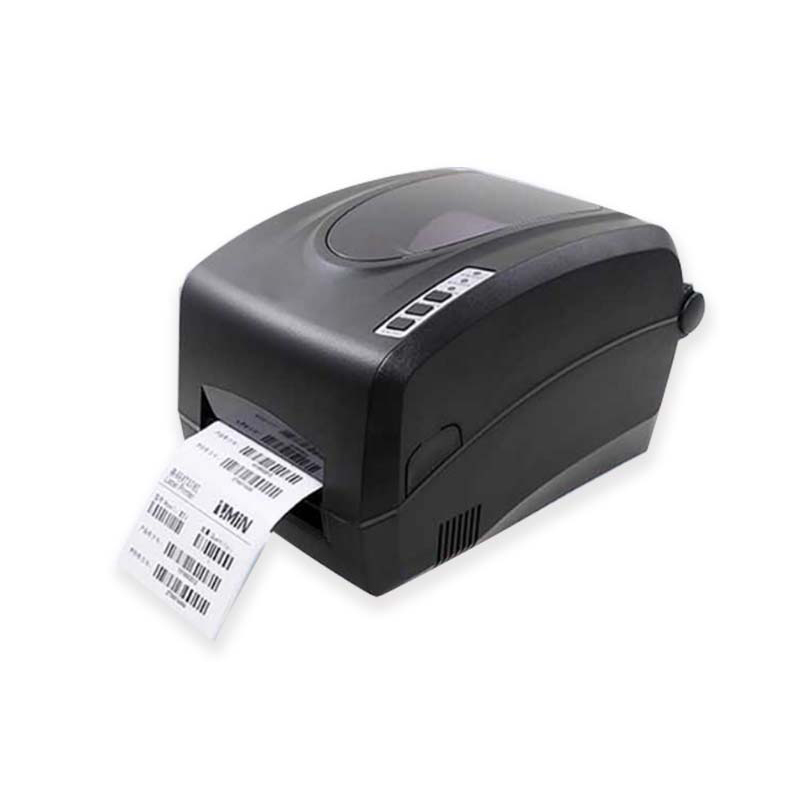
The core of this solution is to assign a passive RFID electronic tag to each smallest logistics unit (such as parcels, turnover boxes, and pallets) as its unique "digital ID." By deploying RFID read/write devices at key nodes such as receiving, sorting, loading and unloading, transportation, and delivery, the system can automatically capture cargo movement information over long distances and in batches.
This builds a real-time, transparent, and precise digital twin world of logistics. Goods complete seamless data synchronization during the flow process, enabling full-chain logisticsReal-time tracking, automatic sorting, intelligent handover, and precise control, completely bidding farewell to the traditional model that is inefficient, relies on manual scanning, and suffers from lagging information.
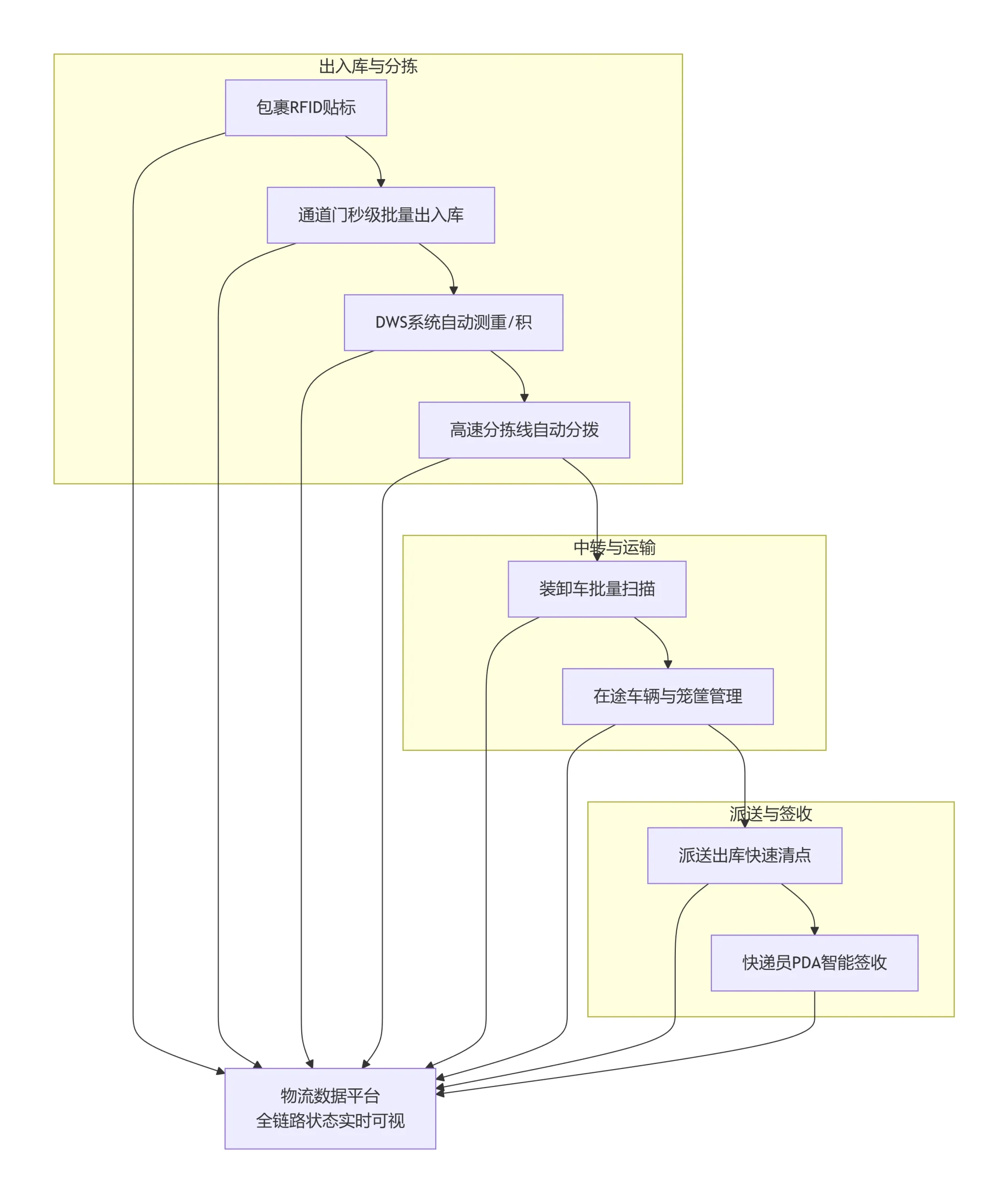
Smart logistics usage process
Specifically, this intelligent process includes the following steps:
1. Smart Receiving and Outbound:
- Goods are labeled upon collection or warehousingRFID Electronic Tags, completing identity binding.
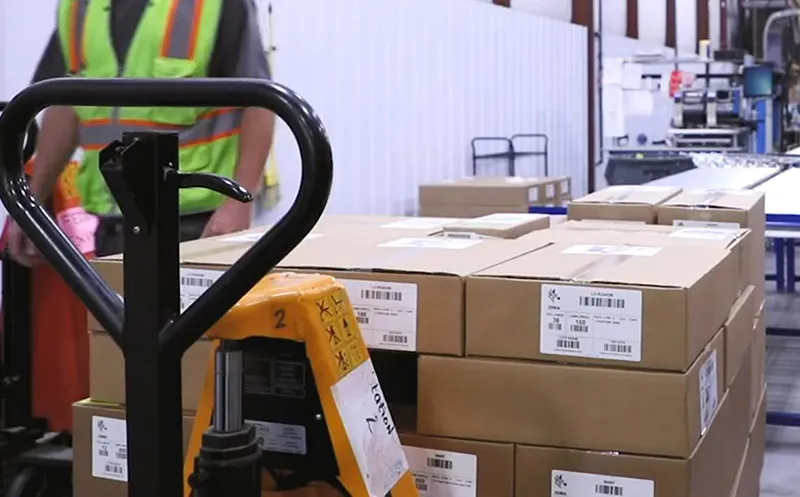
- During outbound operations, entire pallets/full cases of goods pass throughRFID Portal Gate, enabling second-level batch verification with an accuracy rate of 100%, greatly improving loading efficiency.
2. Intelligent sorting and transfer:
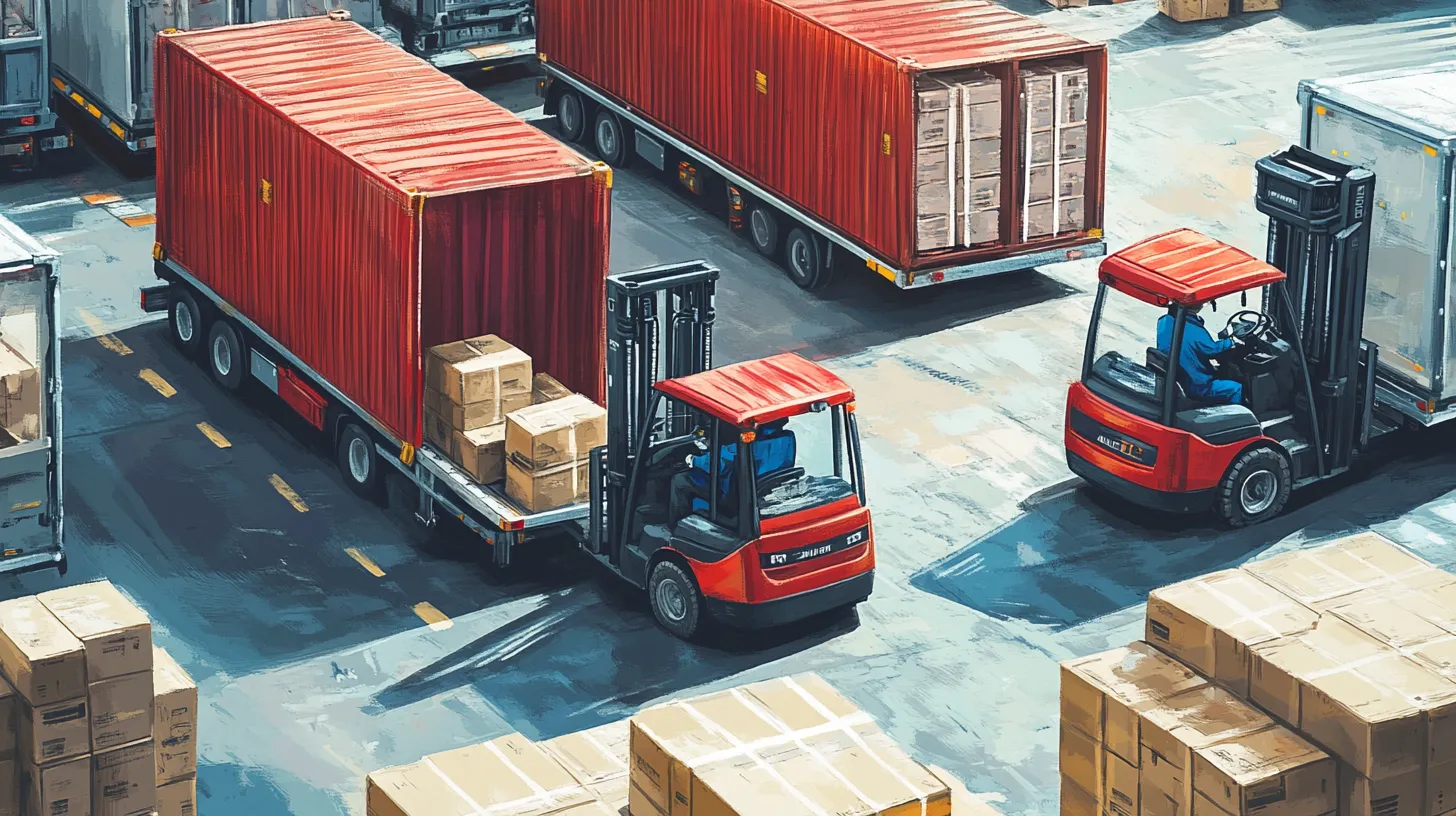
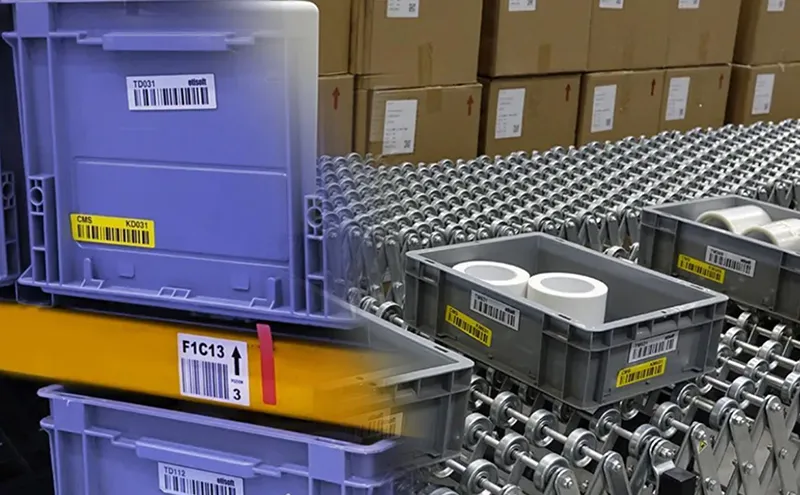
- When packages run on the conveyor belt,RFID tunnel readerorPortal readerCan automatically and contactlessly identify its destination information.
- The system drives the sorting mechanism to accurately divert parcels to the corresponding destination chutes, achieving a sorting efficiency of over 10,000 pieces/hour while effectively reducing rough handling.
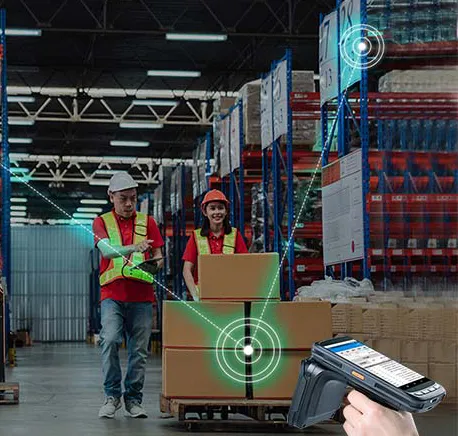
- During loading and unloading, the entire truckload of goods can be scanned in batches without destacking, quickly completing transit handover and eliminating omissions.
3. Smart Transportation and Delivery:
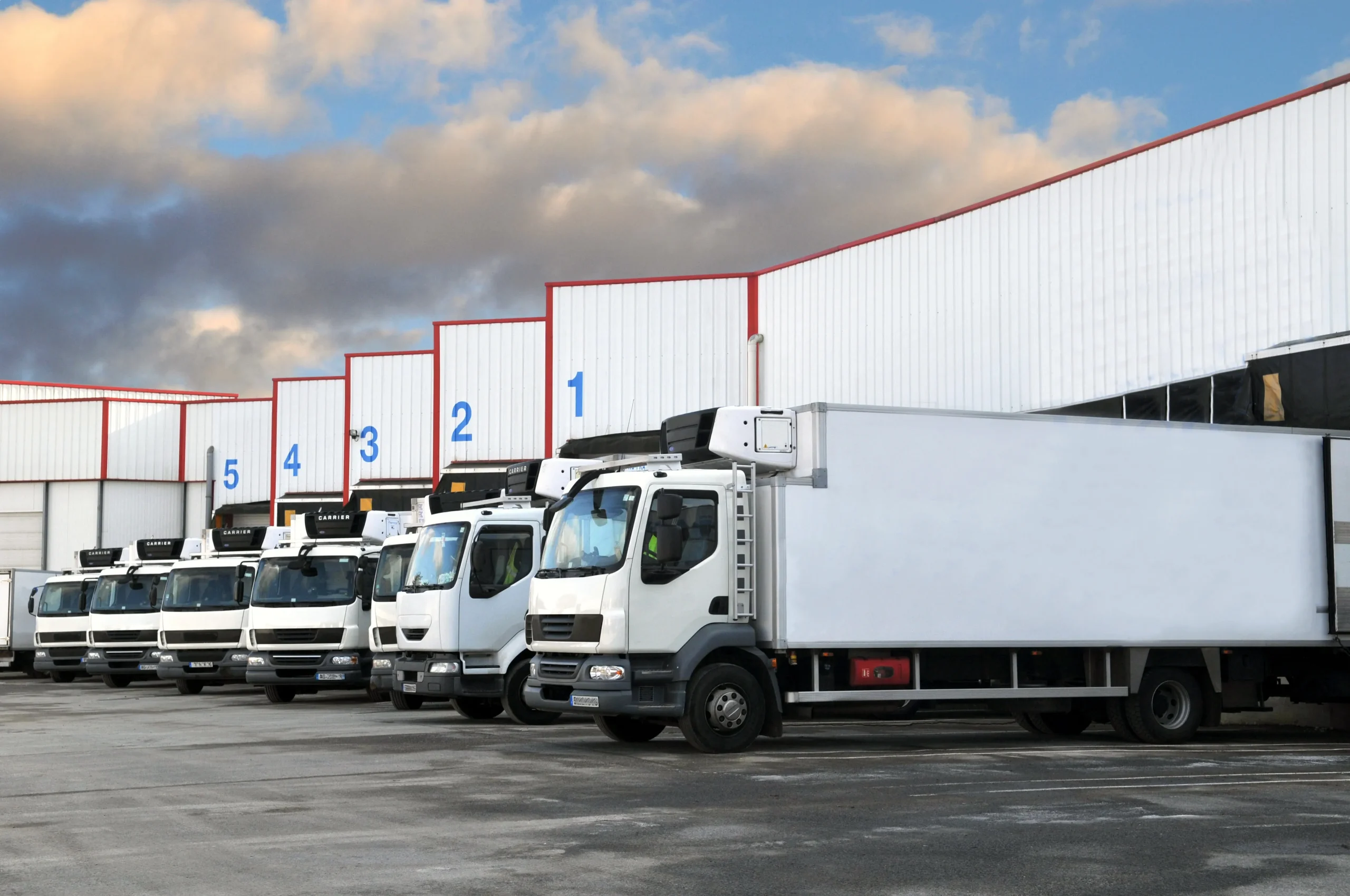
- RFID management can be applied to transport vehicles, cages, baskets, and other carrying units, enabling visual scheduling and circular sharing of assets.
- When couriers leave the station for delivery, they can use a handheld device to scan quickly and complete outbound inventory counting and route binding.
4. Smart sign-off and feedback:
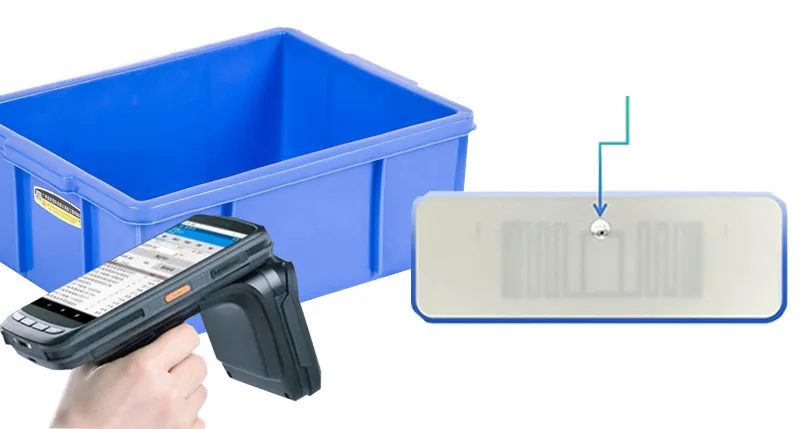
Couriers useIndustrial-Grade RFID Handheld TerminalFor delivery, after the customer signs for receipt, scanning the tag will update the receipt status in real time, and the information will be immediately transmitted back to the management platform and customer inquiry system.
We understand the issues you care about →
Pain Points Solved
| Core pain points | RFID Solutions |
|---|---|
| Lack of information transparency makes parcel tracking difficult | Ultra-fast and accurate inventory: Whole-store inventory counting is shortened from hours to minutes, with accuracy as high as over 99.5%, enabling real-time visibility of inventory data. |
| Low manual sorting efficiency, mis-sorting and missed sorting | Automated high-speed sorting: Replacing manual visual identification to achieve fully automatic sorting, with sorting efficiency increased by 300% and the mis-sorting rate reduced to less than one in ten thousand. |
| Inbound/outbound and handover rely on scanning, creating an efficiency bottleneck | Batch second-level reading: The portal gate can achieve batch, contactless collection of dozens of goods per second, increasing the efficiency of inbound/outbound and transit handover by dozens of times. |
| Lost goods, cross-channel goods, and unclear accountability | Precise node control: Scan records at each stage form tamper-proof electronic documents, effectively tracing the responsible stages for lost or diverted goods and greatly reducing the cargo damage rate. |
| High labor costs and extensive management | Process automation and unmanned operations: Reduce a large number of manual scanning and verification positions, optimize workforce allocation, and achieve refined, data-driven management. |
| Poor customer experience and delayed queries | Ultimate delivery experience: Provide accurate estimated delivery times and real-time tracking, with instant updates on signing status, greatly enhancing customer satisfaction and brand trust. |
RFID Empowerment Results
1, a qualitative transformation in operational efficiency:
Sorting center processing efficiency improved by 200% – 400%.
Inbound/outbound and handover efficiency improved by 10-30 times.
Vehicle turnover rate increased by more than 20%.
2, significant economic benefits:
Labor costs reduced by 25% – 40% (especially in scanning, sorting, and verification positions).
The sorting error rate is reduced to below 0.1%, cutting extra transportation and customer service costs caused by mis-sorting.
Cargo damage and loss rate reduced by more than 50%.
3, service quality upgrade:
Full-process package tracking achieves 100% coverage.
On-time delivery rate and customer satisfaction have improved significantly.
It provides enterprises with powerful data-driven decision-making capabilities, helping them expand into high-end, high-demand logistics markets.
Related product recommendations
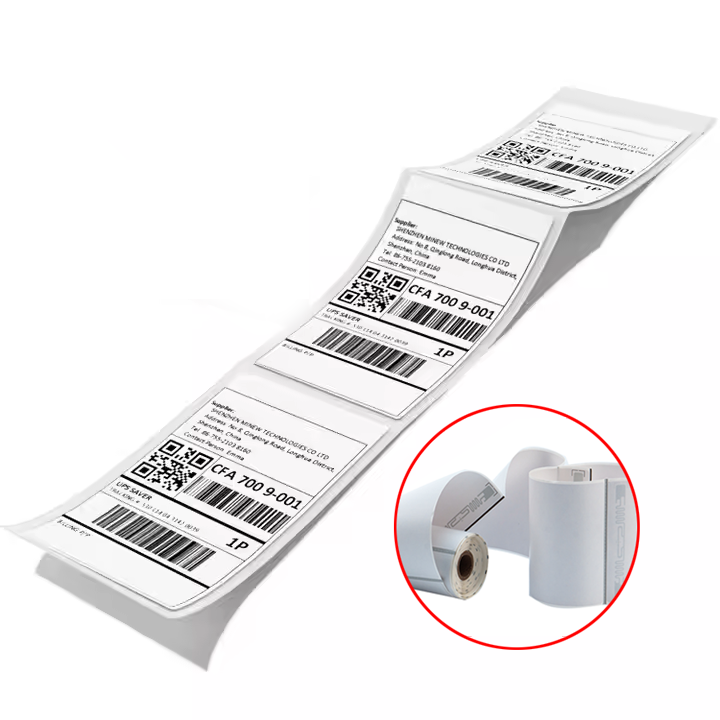
Large-size RFID adhesive label
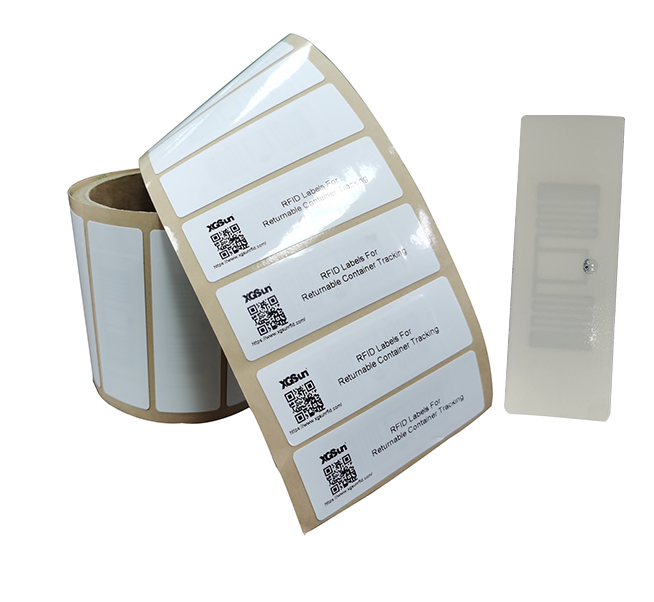
RFID Returnable Container Labels
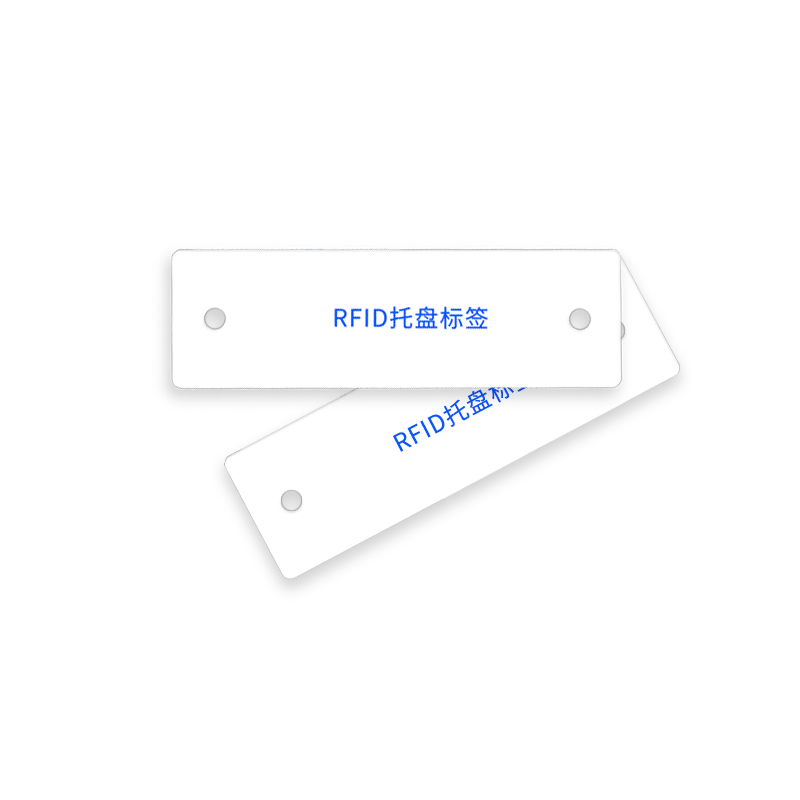
RFID PVC pallet tag
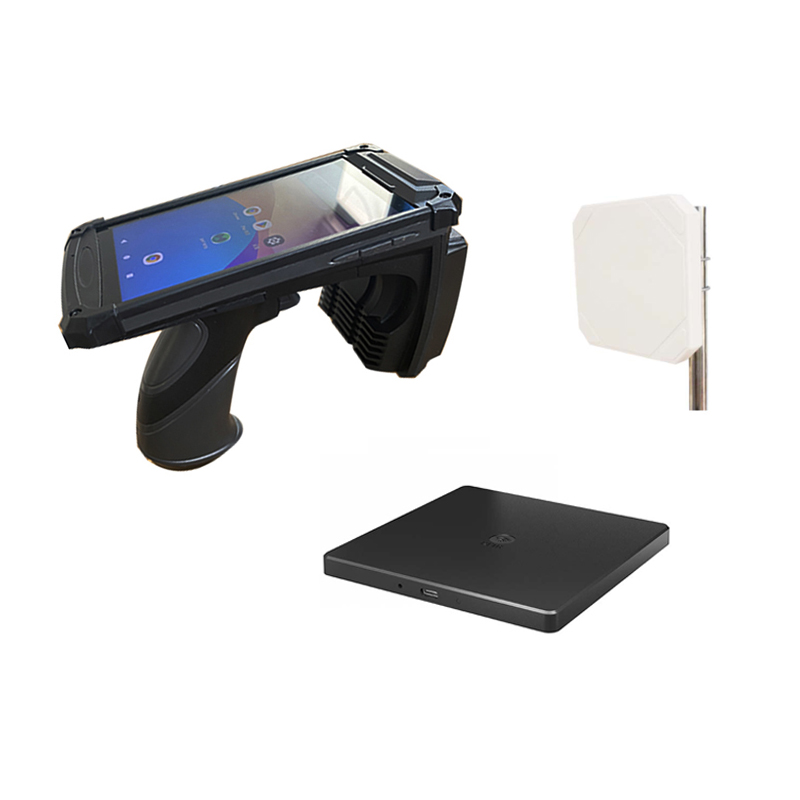
RFID reading and writing devices
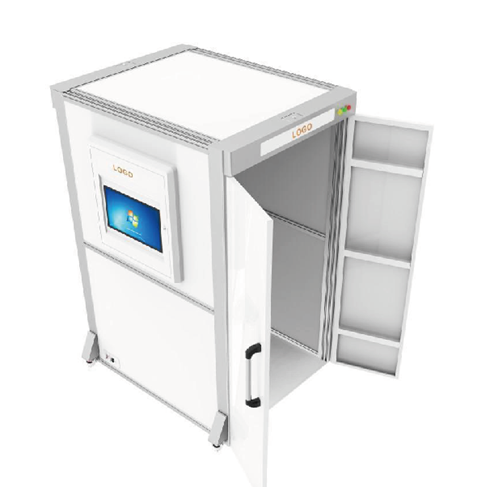
RFID access control channel equipment