
RFID reading and writing devices
- RFID tags
- Features
- Industry Applications
- Warehousing and logistics
- Animal management
- Healthcare
- Library & Archive Management
- Laundry Management
- Tobacco management
- Item Management
- Jewelry Management
- Power management
- Beauty and Personal Care Management
- Aviation Management
- Asset management
- Event Timing
- Vehicle identification
- Footwear and apparel management
- Food control
- Printing Equipment
- Specialty Tags
- Reader/writer devices
I. Overview of RFID Read/Write Devices
The RFID system core consists of three parts: RFID electronic tags, RFID read/write devices and software management systems, which work together to achieve data collection, transmission and control.
Among them, the RFID reader/writer acts as an "information relay station," and its main functions are:
Transmit radio frequency signals:Emits radio waves of a specific frequency into the surrounding space through the antenna.
Activate and communicate:When an RFID tag enters the range of this electromagnetic field, it is activated and establishes communication with the reader.
Read/write data:Read the data stored in the tag, or write/modify data in the tag.
Data transmission:The processed tag information is transmitted to a back-end computer system (such as a database or management software) via wired (e.g., Ethernet port, serial port) or wireless (e.g., Wi-Fi, Bluetooth) methods, thereby enabling the identification, tracking, and management of items.
A simple analogy: an RFID reader/writer is like a "Talking scanner". It does not need to "see" a barcode; instead, it "calls out" via radio waves, and surrounding tags "hear" it and "answer" with their own identity information.

II.Core types of RFID readers
(I)Classified by operating frequency
The main classification method for RFID readers isBy Operating Frequencyclassification, because frequency directly determines its technical characteristics, read/write distance and application fields. There are mainly four types: low-frequency readers, high-frequency readers, ultra-high-frequency readers, and microwave readers.
(II)Classified by Function and Application Scenario
1. Portable/handheld RFID reader
Built-in battery, antenna, and display for easy mobile operation, with integrated barcode scanning. Main applications: retail store inventory, warehouse inspection, fixed asset inventory, and logistics sorting verification.
2. Back-Clip RFID Handheld Reader
This is a modular, accessory-based device. It is not a complete terminal itself, but rather aA professional RFID reader/writer module that can connect closely to smartphones via a physical interface (such as Type-C) or Bluetooth. The design is a "protective case" or "back clip" that directly fits onto the back of a phone, forming an integrated work terminal. Flexible deployment and optimized cost. Typical application scenarios: mobile inventory counting and picking in warehousing and logistics, inventory counting in retail stores, outdoor asset inspection and maintenance, on-site events and personnel management, etc.
3. Desktop RFID Reader
The ultra-thin appearance is suitable for desktop operation, and high performance is hidden beneath the compact body, supporting a 0-26dBm RF output power range, a receiving sensitivity of <-85dBm, and a peak inventory tag rate of >190 tags/second. Typical application scenarios: commercial retail checkout and verification, tag issuance and authorization, small-batch rapid inventory counting, library archive management
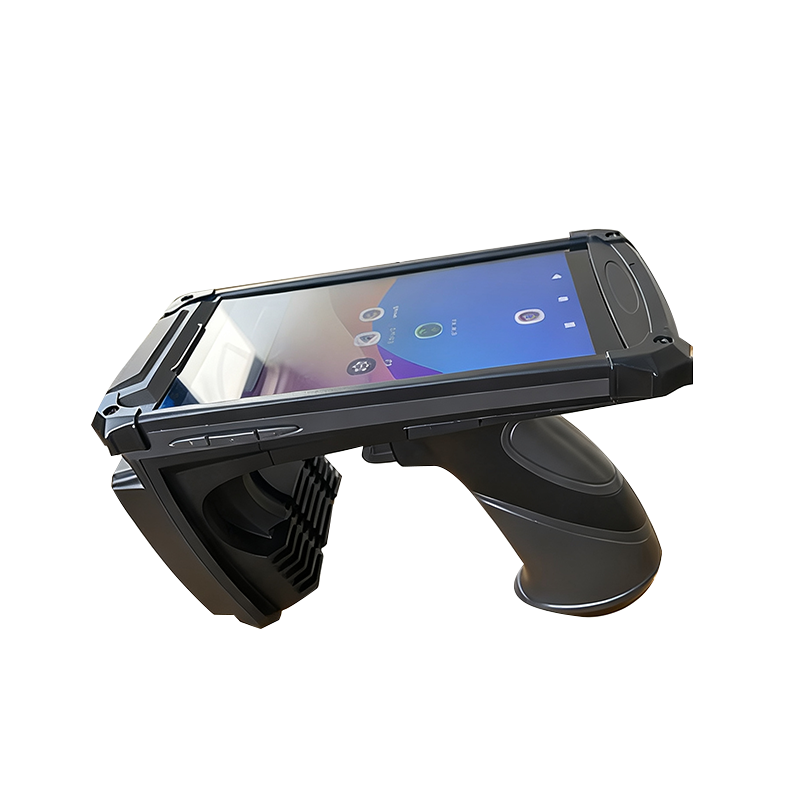
RFID Handheld Terminal
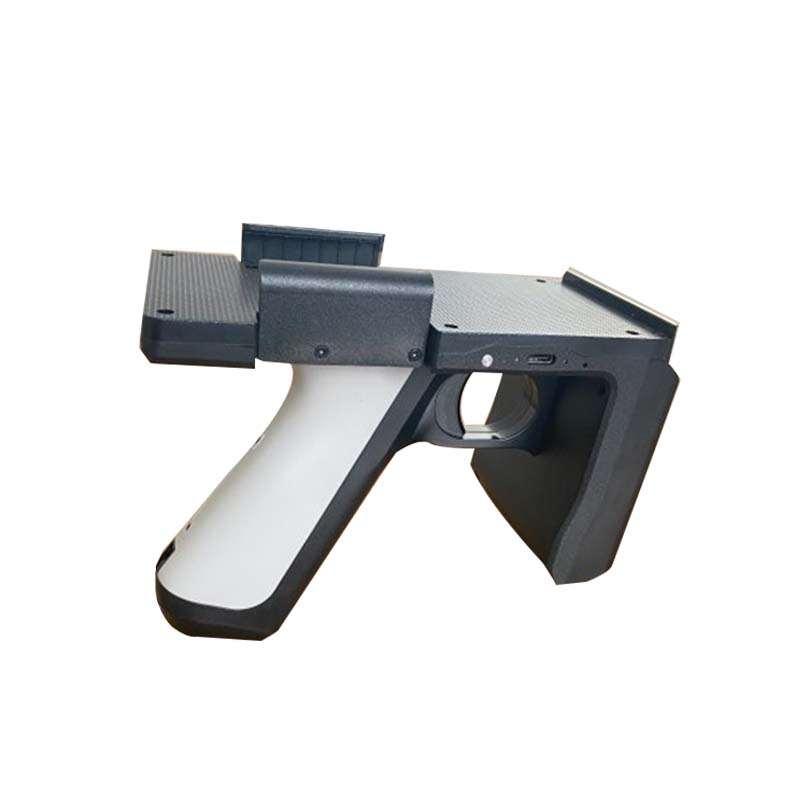
RFID Back-Clip Handheld Reader
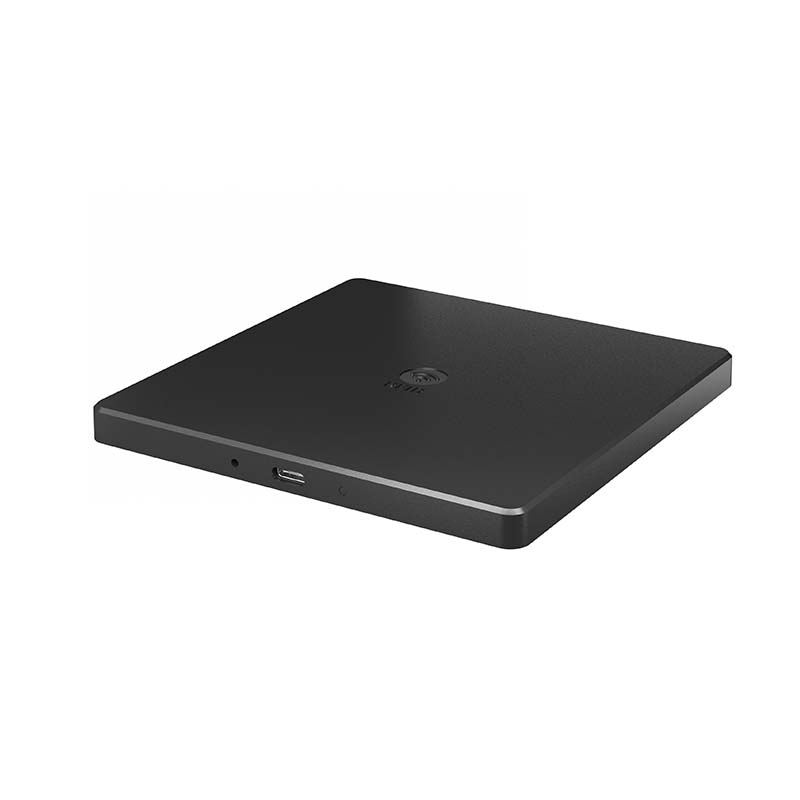
Desktop RFID Reader
4. RFID multi-channel UHF reader
The multi-channel UHF reader is an RFID core device specially designed for industrial-grade batch identification. It connects multiple antennas through multiple RF channels, automatically identifying UHF RFID tags attached to goods over a large area with high efficiency and high reliability in scenarios such as warehousing and production lines, converting physical flows into data streams. Typical application scenarios: personnel and vehicle access management, warehouse management, and manufacturing management.
5. RFID ceiling-mounted access control
Usually designed as round or square with a simple appearance,Installed on the ceiling or directly above the door frame, highly concealed, and does not occupy floor or wall space. Achieve
"Seamless Passage": When a person or cart carrying a tag (such as an employee badge) walks normally through the area below the doorway, identification is completed automatically. Main applications: retail supermarkets, small warehouses, etc.
6. RFID Vertical Access Control Gate
Designed asVertical gate form, where the main gate integrates an antenna and reader, with an optional display screen, audible and visual alarms, and AI anti-misread functionality, standing about 1.5 meters tall in line with ergonomics. Typical application scenarios: personnel access management, material anti-theft and supervision, and control of special areas.
7. RFID portal reader
An RFID tunnel machine generally refers to a device used for items (Especially carton/pallet-level goodsan automated large-scale channel-type device for batch identification. It works like an intelligent "security gate," integrating a conveyor belt, RFID reader, antenna array, sensors and control system, and can quickly and accurately read in batches the RFID tags attached to goods passing through the channel. Its core purpose is to improve the efficiency and accuracy of warehousing, sorting, inventory counting and other links in the supply chain. Typical application scenarios: warehousing and logistics centers, retail and apparel industries, and manufacturing.
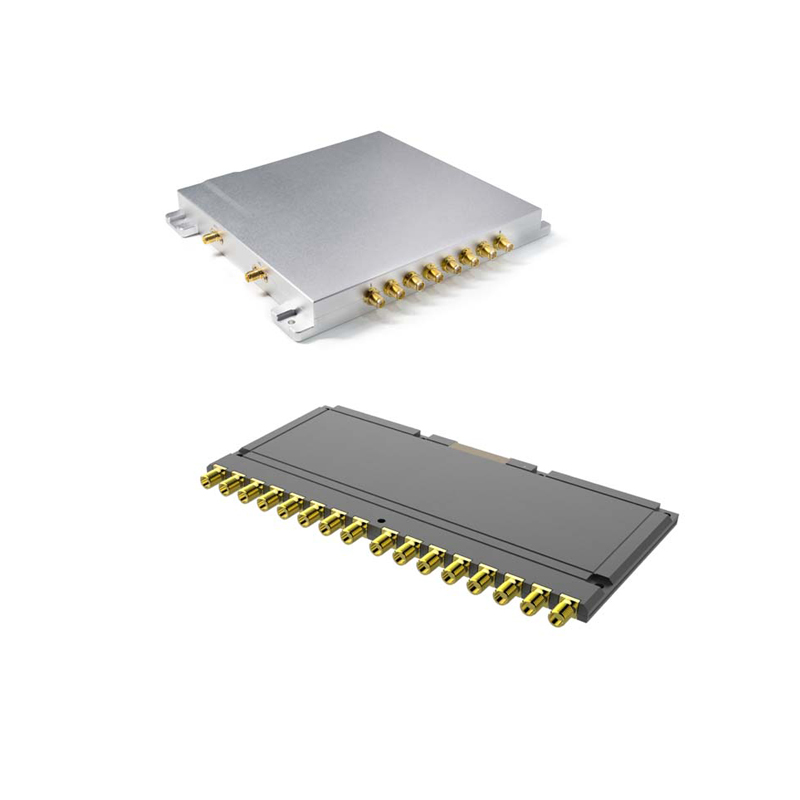
RFID Multi-Channel Reader
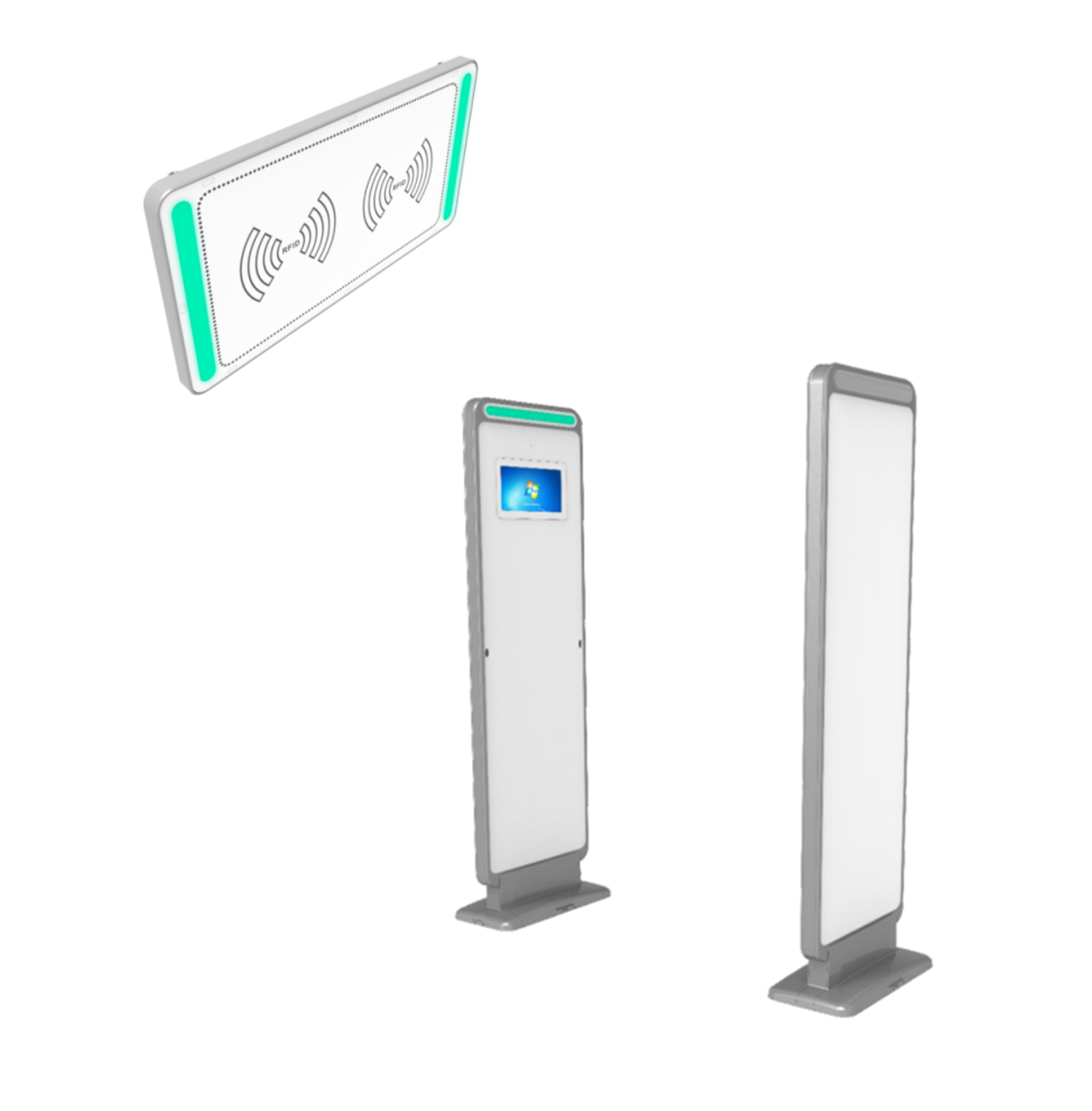
RFID Ceiling-mounted/Floor-standing Access Control
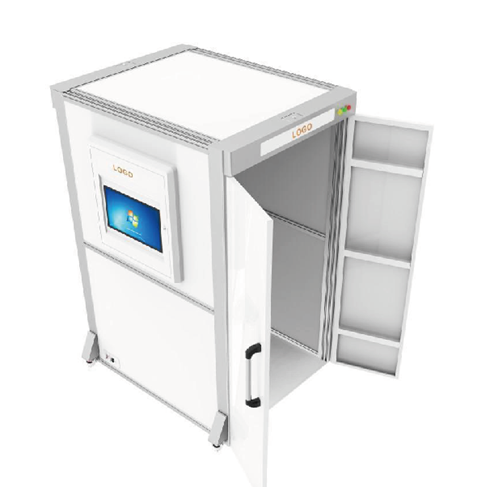
RFID portal reader
XGSunAs a professional passive IoT solution provider, from precise "label manufacturing" to reliable "data collection" and then to intelligent "decision support," we are always committed to providing one-stop customized solutions to help you turn IoT data into real business value.