
Animal Management Solution
You will find the answers here →
If you are the manager of a large-scale farming enterprise, the operator of a pet hospital, the head of a wildlife protection organization, or even a relevant government regulatory department, you may have thought more than once: How can I accurately grasp the health dynamics of every livestock animal amid a busy daily routine? How can key processes such as epidemic prevention, feeding, and marketing no longer rely on thick ledgers and manual memory? And how can I react one step ahead before problems occur to ensure the safety and stability of the entire farming chain?
In fact, establishing a "digital identity file" for animals to achieve full visibility management from birth to market and from pasture to table is far simpler than you might imagine. This not only means you can significantly reduce the cumbersome costs of manual inventory, recording, and verification, but also represents a management leap in efficiency, safety, and trust—enabling your farming/management business, regardless of scale, to enter a new stage of refinement and intelligence.
Next, we will present the full picture of the RFID animal management solution. From core application scenarios to specific usage processes, from solutions to common pain points to the tangible changes after empowerment—we hope to outline a clear, feasible and warm path for digital-intelligent upgrading, helping you gain unprecedented composure and initiative in breeding management, disease prevention and control, product traceability and brand building.
RFID Animal Management Application Scenarios
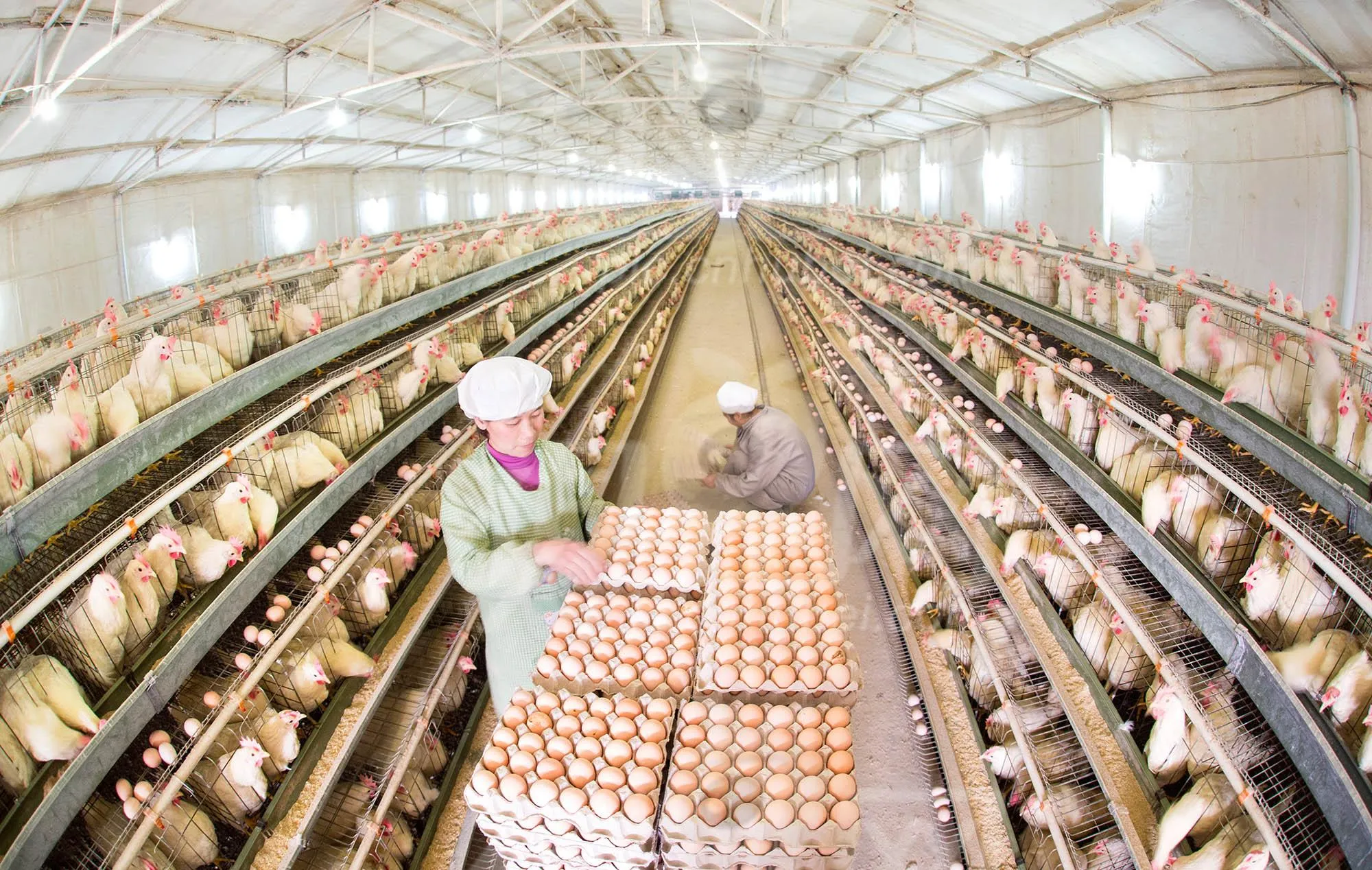
Large-scale refined farming
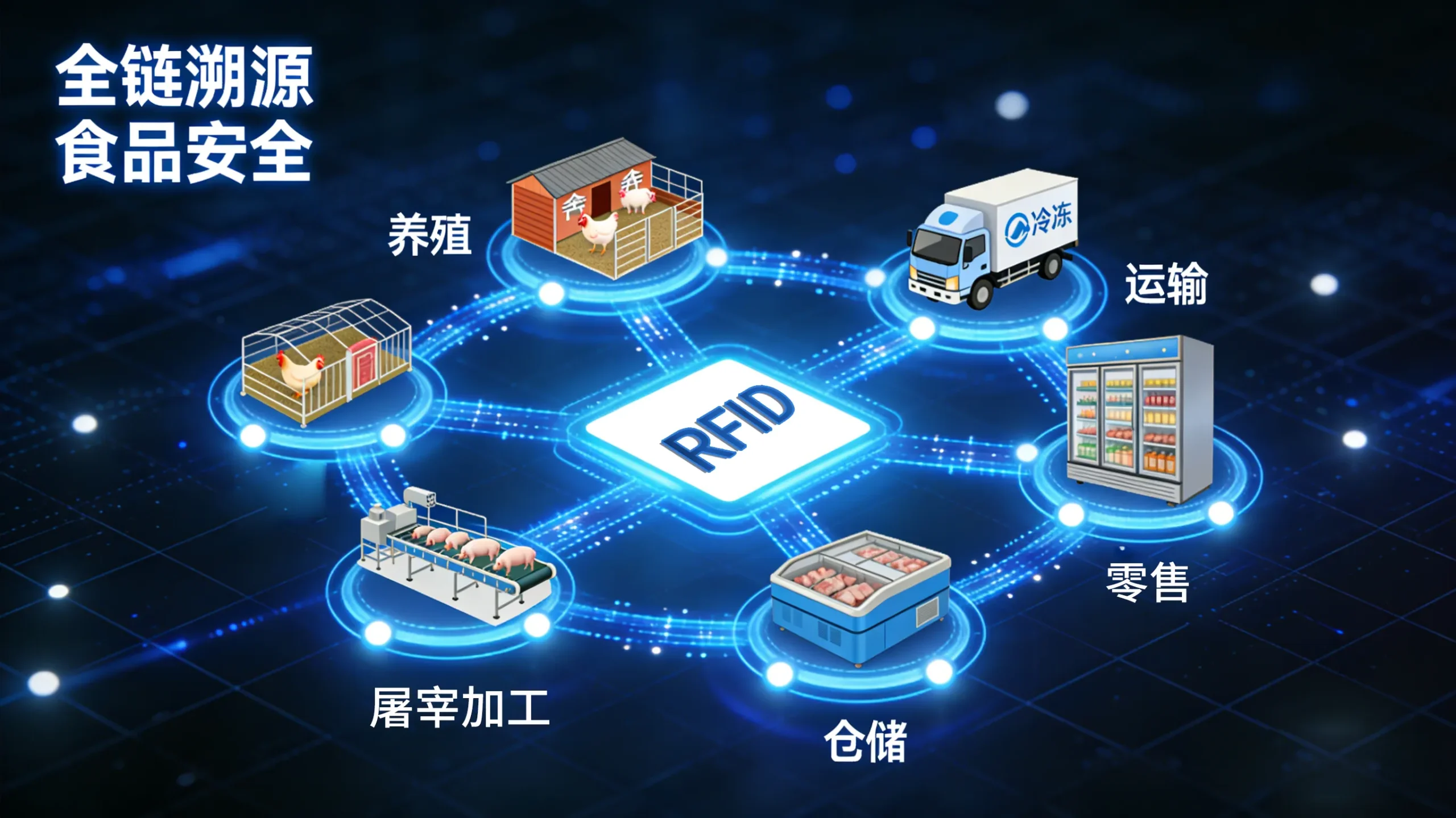
Full-chain product traceability
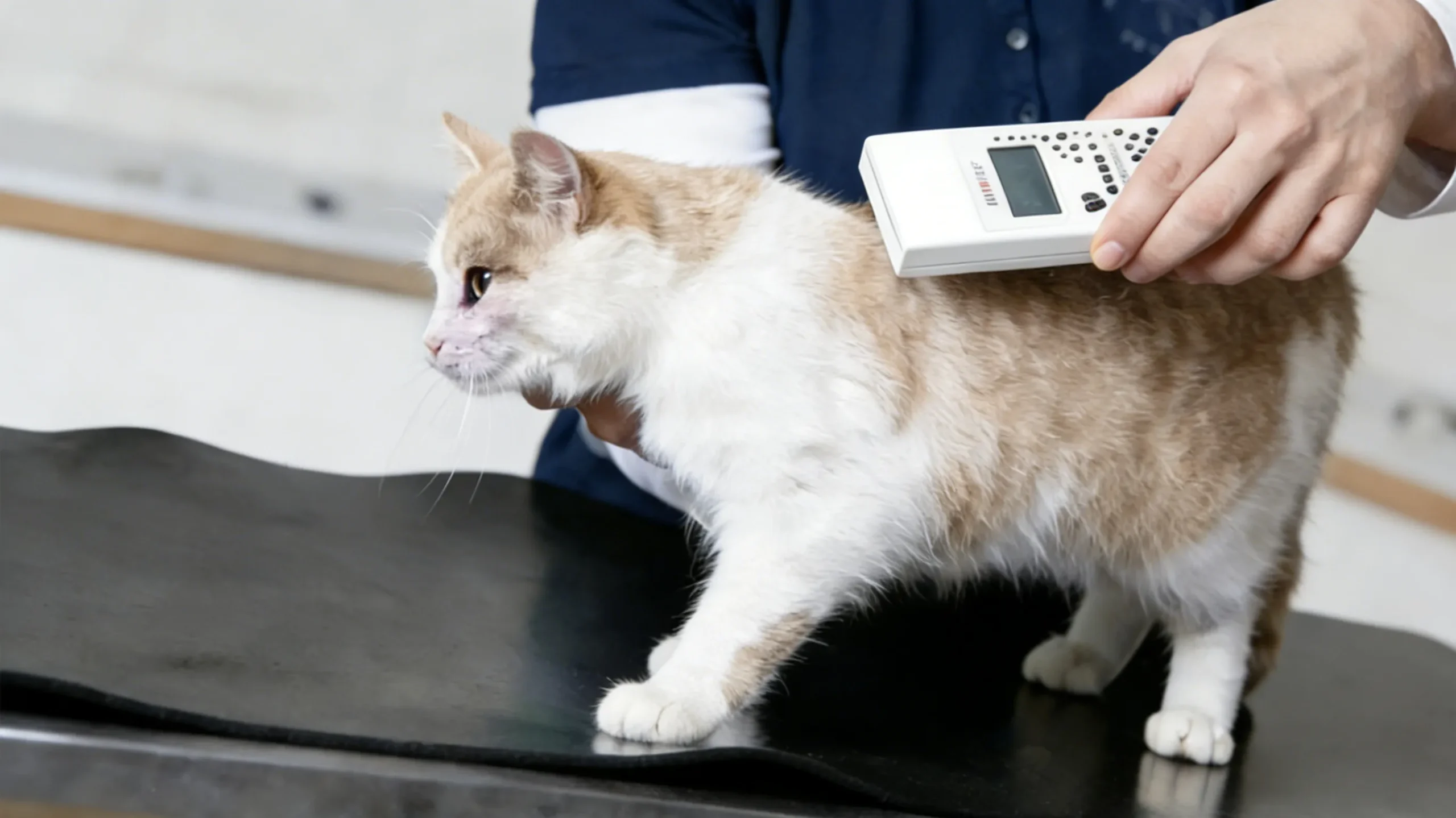
Pet management

Wildlife protection
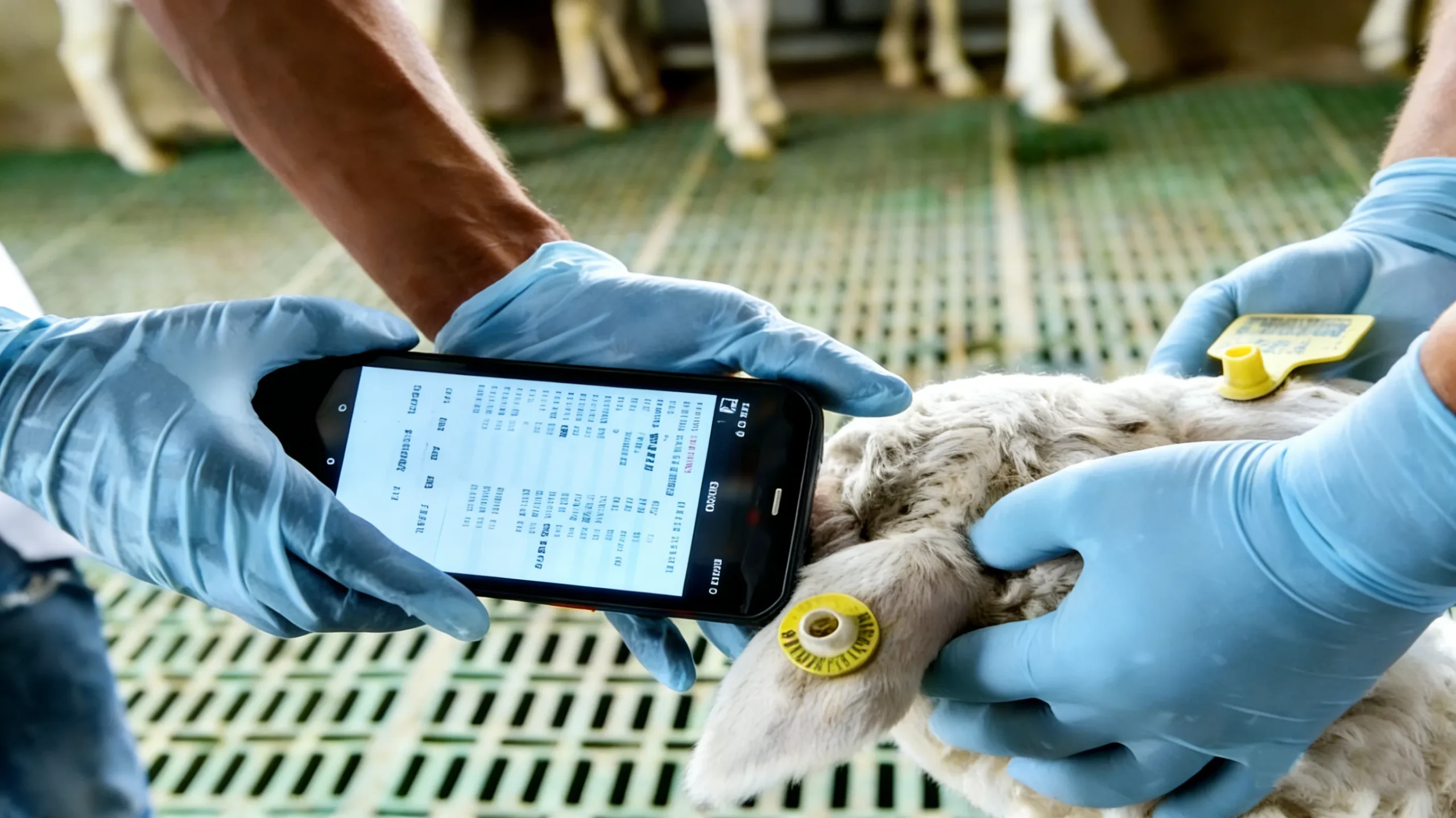
Disease prevention and control supervision
Introduction to RFID Animal Management Solution
Based on radio frequency identification technology and combined with the needs of animal breeding, epidemic prevention, traceability and daily management, this solution creates a full-lifecycle intelligent management system. By attaching RFID electronic ear tags/labels with unique identifiers to animals and integrating dedicated reading and writing devices, sensing modules and a cloud management platform, it enables full-process data collection, visual tracking and refined control of animals from birth, breeding, epidemic prevention, quarantine and transportation to slaughter/sales (in the livestock field) or identity registration, health monitoring and lost-pet tracking (in the pet field), comprehensively improving breeding efficiency, strengthening disease prevention and control, and ensuring the safety of animal products. It is suitable for large-scale livestock breeding, pet management, wildlife protection and other application needs.
Core Application Scenarios
Large-scale refined farming: Identity identification, breeding process monitoring, epidemic prevention and immunization records, weight and growth tracking, and slaughter statistics for cattle, sheep, pigs, poultry and other livestock;
Animal product traceability: Full-chain traceability of livestock products from breeding to slaughter, processing, logistics and transportation, and retail terminals, ensuring the safety of meat, eggs, milk and other products;
Pet management: pet identity registration, vaccination records, health record management, lost-pet location tracking, and retention of diagnosis and treatment information at pet hospitals;
Wildlife protection: Identity tagging, activity trajectory monitoring, migration route tracking, population counting, and living environment monitoring for rare wild animals;
Disease prevention and control supervision: Animal disease investigation, infection source tracing, and isolation control, helping regulatory authorities precisely prevent and control the spread of disease.
Usage process
Source Coding
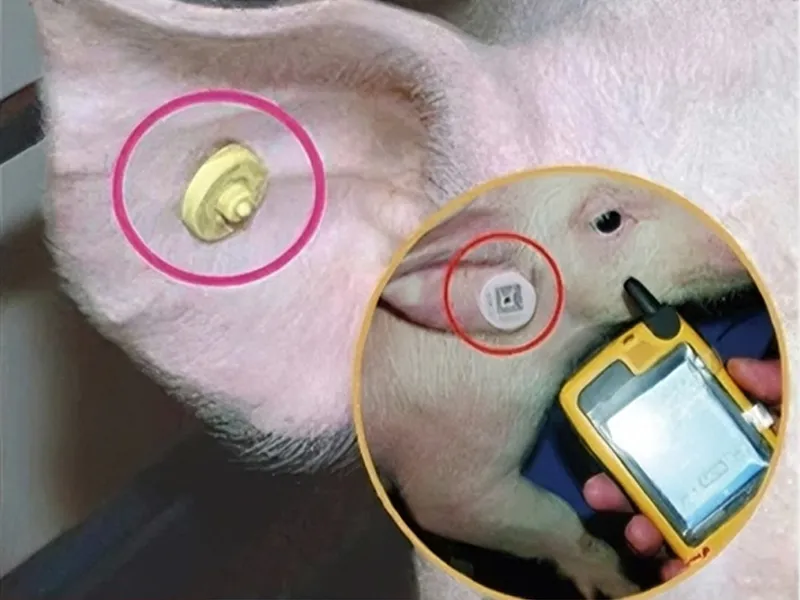
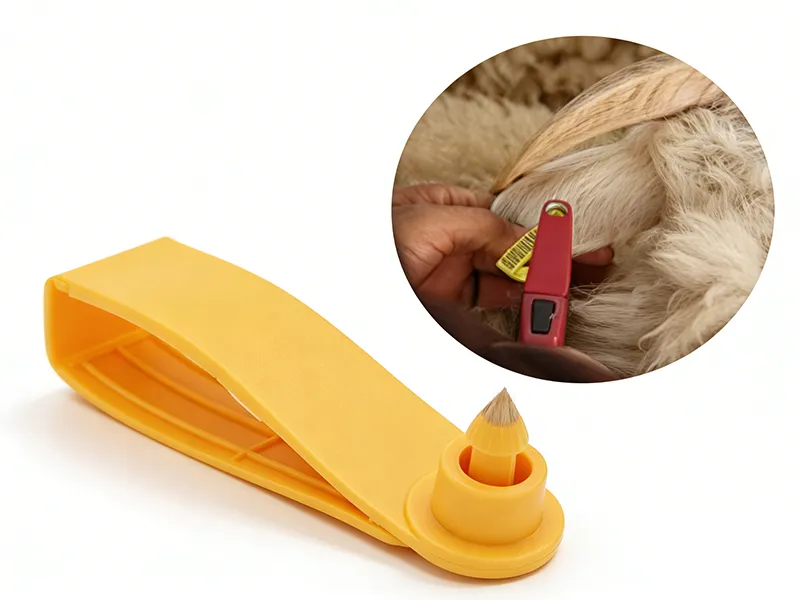
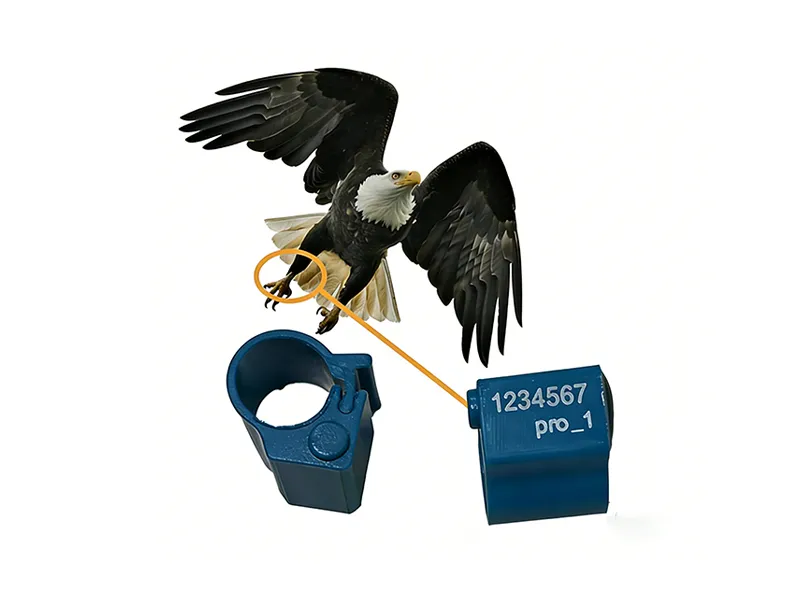
Identity coding: select the appropriate RFID tag according to the animal type—livestock animals wear tamper-proof electronic ear tags, pets are implanted with microchips or wear collar-type tags, and wild animals are implanted with dedicated identification tags; through the issuing device, basic data such as animal breed, birth information, place of origin, and farmer/owner information are written to establish a unique electronic identity file, creating the value of "digital filing"; information such as purchase date is written into the tag to complete the asset "identity filing."
Process data collection
In farming/daily management, handheld RFID terminals and fixed readers at farms (deployed at key nodes such as feeding areas and fence entrances/exits) are used to collect animal epidemic prevention records, feed information, health monitoring data (such as body temperature and activity status), and quarantine results; during transportation, vehicle-mounted reading and writing devices record information such as transport routes and environmental temperature and humidity.
Cloud data synchronization
The collected data is uploaded in real time to
The RFID animal management cloud platform enables centralized data storage and synchronized updates, and supports seamless integration with livestock regulatory platforms, pet registration systems, wildlife protection monitoring centers, and more.
Intelligent control and early warning
Based on preset rules, the platform automatically triggers instructions such as disease warnings (e.g., abnormal temperature), vaccination expiration reminders, and animal loss alarms, promptly pushing them to managers' terminals.
Traceability and verification
Managers, regulatory authorities, or consumers can enter the unique tag identifier through the platform, handheld terminal, or code scanning to quickly retrieve full lifecycle animal data, enabling problem traceability, compliance verification, and information disclosure.
We understand the issues you care about →
Pain Points Solved
| Core pain points | RFID Solutions |
|---|---|
| Broken traceability, chaotic identity recognition | RFID solves the problems of traditional ear tags/identifiers being easily lost and easily forged, making it difficult to accurately distinguish individual animal identities, and issues such as animals going missing or being swapped |
| Extensive farming management | Address the pain points of low efficiency and large errors in manual recording of farming data, easy missed detection in epidemic prevention and immunization, and difficulty in monitoring growth status, which lead to high farming costs and low benefits |
| Lagging disease prevention and control | Addresses the problem that animal diseases are difficult to detect in time, infection sources cannot be quickly traced, and large-scale spread and heavy losses are likely to occur |
| Broken traceability chain | Solve the problem of opaque information from breeding to consumer terminals for animal products, inability to accurately trace the source when safety issues arise, and low consumer trust |
| Low regulatory efficiency | Reduce the problems of wide manual inspection scope, long time consumption, scattered data that is difficult to aggregate and analyze, and high regulatory costs for regulatory authorities |
RFID Empowerment Results
1. Leap in traceability efficiency: Significantly improved farming efficiency: animal inventory efficiency increased by 8-10 times, manual recording costs reduced by more than 70%, and the number of animals manageable by a single manager increased by 2-3 times;
2. Precise and efficient epidemic prevention and control: Early warning response time for health issues such as abnormal body temperature is shortened to the minute level, the risk of disease spread is reduced by 80%, and farming losses are reduced.
3. Full-chain traceability, secure and controllable: Realize full traceability of animal products "from pasture to table," with traceability accuracy reaching 100%, enhancing consumer trust and brand credibility;
4. Digitalized Regulatory Management: Regulatory authorities can view data in real time through the platform and accurately verify epidemic prevention and quarantine conditions, improving regulatory efficiency by 60% and significantly reducing labor costs;
5. Effective protection of asset value: Precise identification of livestock animal identities, avoiding losses from straying and swapping; lost pets can be quickly located and tracked, with a recovery rate increased by more than 75%.
Related product recommendations
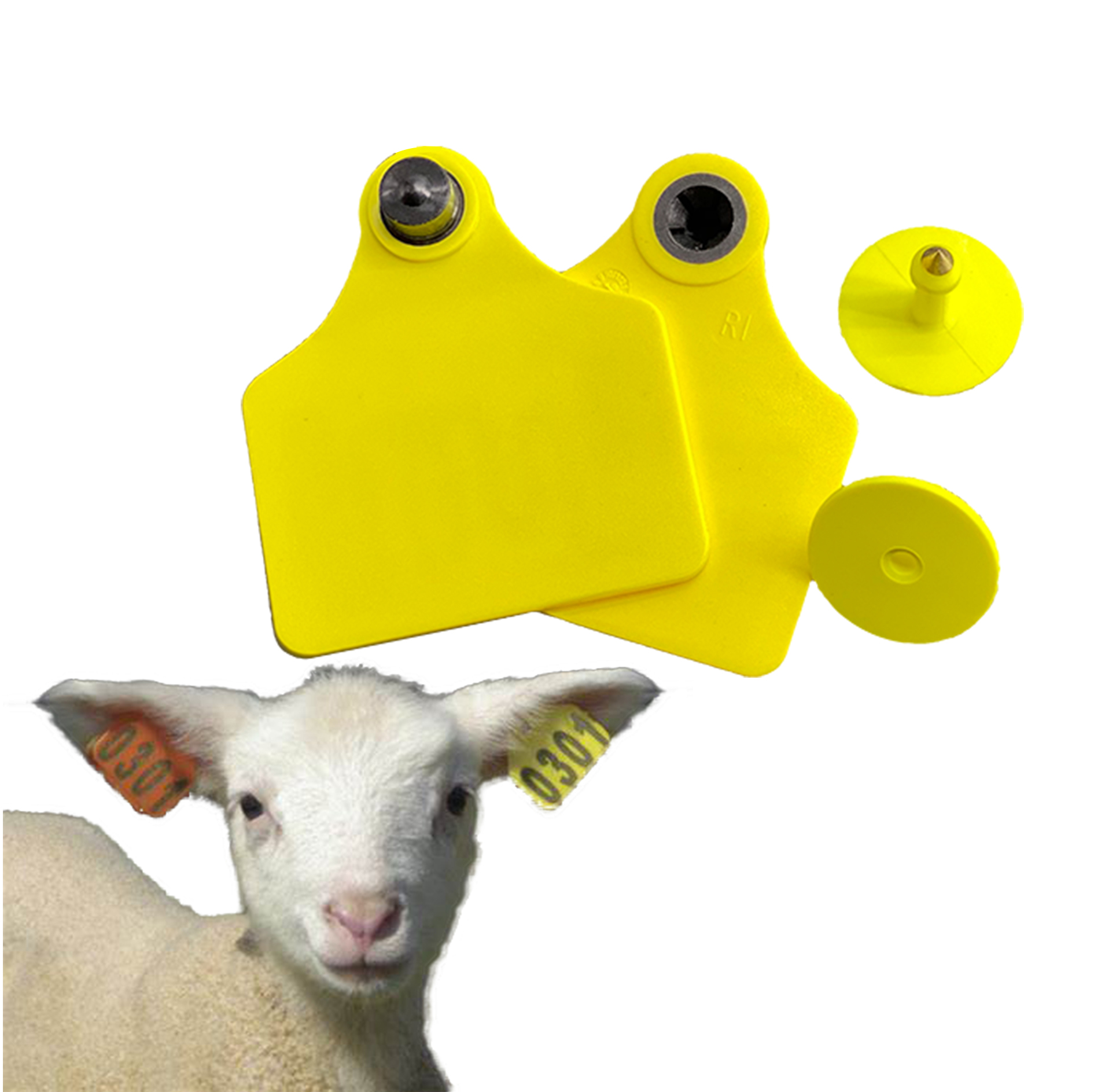
RFID Animal Ear Tag
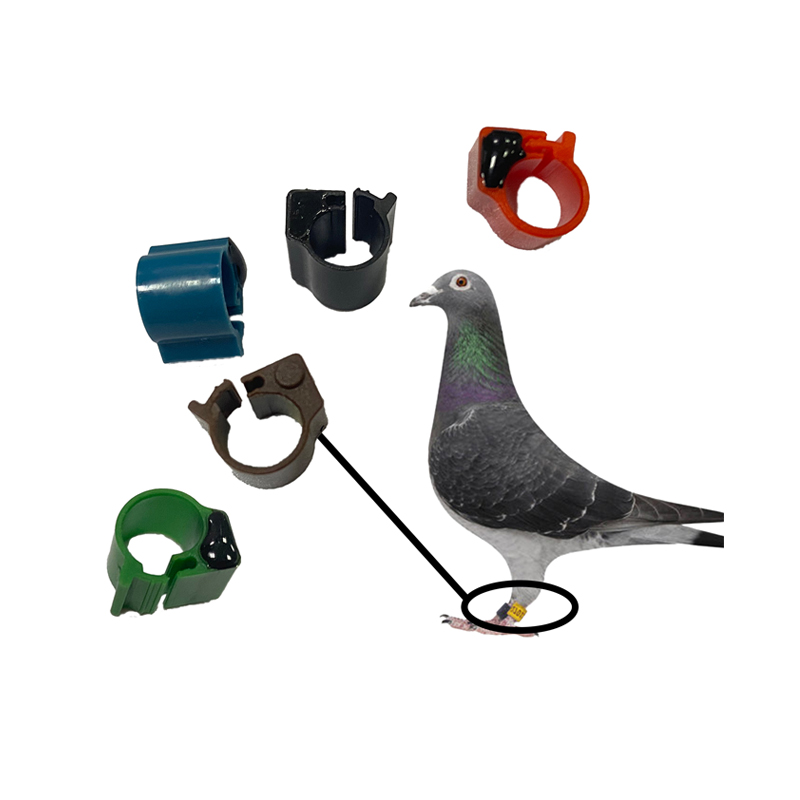
RFID Poultry Leg Bands
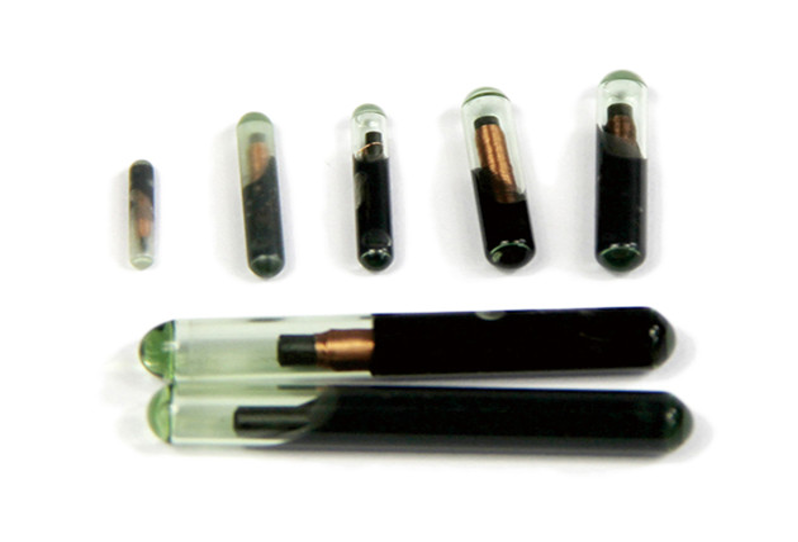
RFID biological glass tube tag
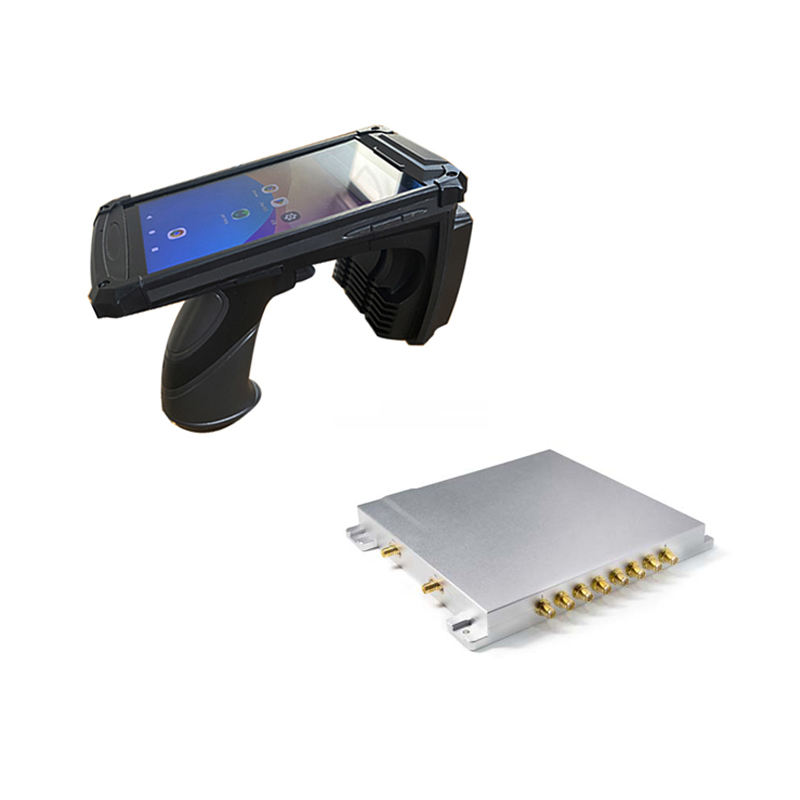
RFID reading and writing devices