
RFID Medical Management Tag
- RFID tags
- Features
- Industry Applications
- Warehousing and logistics
- Animal management
- Healthcare
- Library & Archive Management
- Laundry Management
- Tobacco management
- Item Management
- Jewelry Management
- Power management
- Beauty and Personal Care Management
- Aviation Management
- Asset management
- Event Timing
- Vehicle identification
- Footwear and apparel management
- Food control
- Printing Equipment
- Specialty Tags
- Reader/writer devices
I. Core Benefits of Using RFID Medical Management Labels
The application of RFID technology in the healthcare field, by giving a "digital life" to medicines, samples, instruments, patients and even linens, enables full-process, precise and intelligent management from microscopic samples to macroscopic assets. Its core value is reflected in: safeguarding the safety and quality of medicines/samples and achieving precise traceability; improving operational efficiency and freeing up clinical manpower; optimizing inventory and costs to achieve lean management; and enhancing patient experience and privacy protection.
XGSunThe RFID medical management tags developed and produced by XGSun can safeguard the construction of a complete, intelligent medical system for you!
II.How to Choose a Suitable RFID Medical Management Tag
Medical scenarios are complex and demanding, so RFID tag selection must be precisely matched.
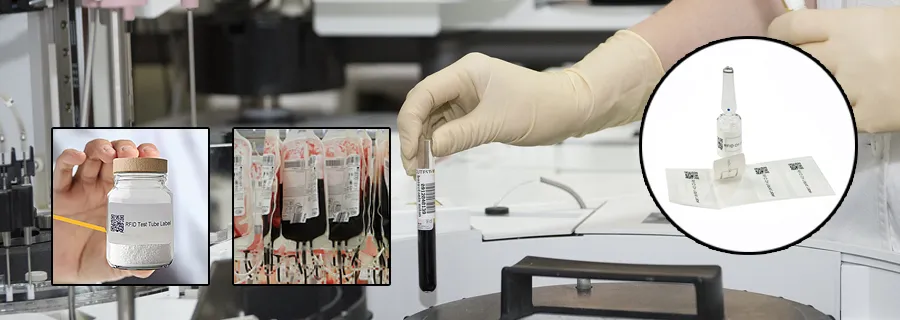
Step 1: Precisely Define Management Objects and Core Scenarios
XGSunRFIDMedicine bottles and test tubesSelf-adhesive labels:
Miniaturized, self-adhesive type, suitable for labeling medicine boxes, vials, and blood/biological sample test tubes. Typical scenarios: pharmacies, intravenous admixture centers, laboratories, biobanks
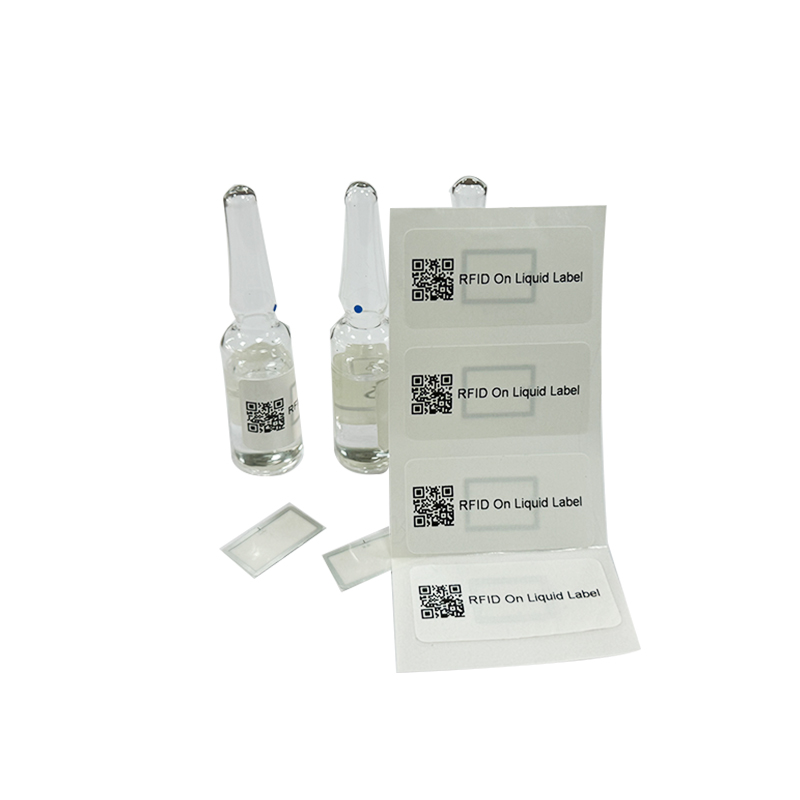
RFID anti-glass liquid label

RFID Plastic-Resistant Test Tube Label
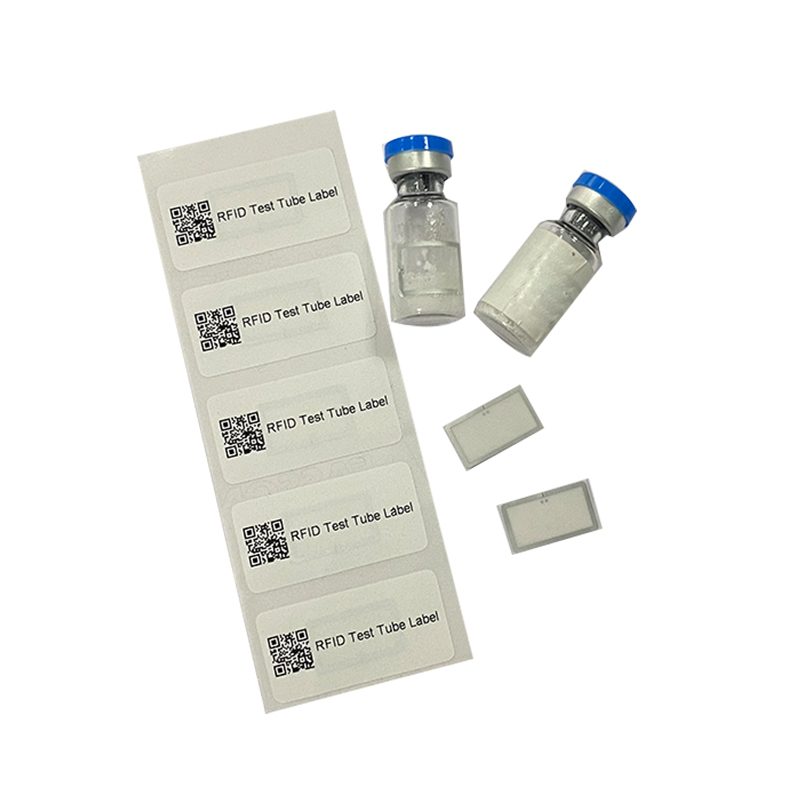
RFID anti-glass dry powder tag
RFIDSmall PCB and ceramic tags:
High-temperature resistant, high-pressure resistant, and corrosion resistant; can be embedded in surgical instruments or instrument packs. Typical scenarios: Central Sterile Supply Department (CSSD), operating rooms
Asset management tags (flexible anti-metal/anti-metal PCB tags):
Designed specifically for large medical metal equipment such as CT and MRI, it works stably on metal surfaces. Typical scenarios: radiology departments and equipment departments.
RFIDMedical Wristband Tags:
Soft, hypoallergenic, and comfortable to wear, meeting patients' long-term wearing needs with information confidentiality. Typical scenarios: wards, emergency rooms, central sterile supply departments (CSSD), operating rooms
RFID low-temperature tag for blood bags:
Designed specifically for blood bag surfaces and low-temperature storage environments, it maintains excellent read/write performance and adhesion even under refrigerated conditions. Typical scenarios: blood banks, biological sample libraries, clinical laboratories
RFIDMedical Fabric Washing Tags:
Ultra-soft, resistant to high temperatures, strong acids and alkalis, and repeated pressing and scrubbing; can be sewn or heat-transferred onto designated positions on bed sheets and surgical gowns, with a lifespan of over 200 washes. Typical scenarios: hospital laundry rooms, linen rooms
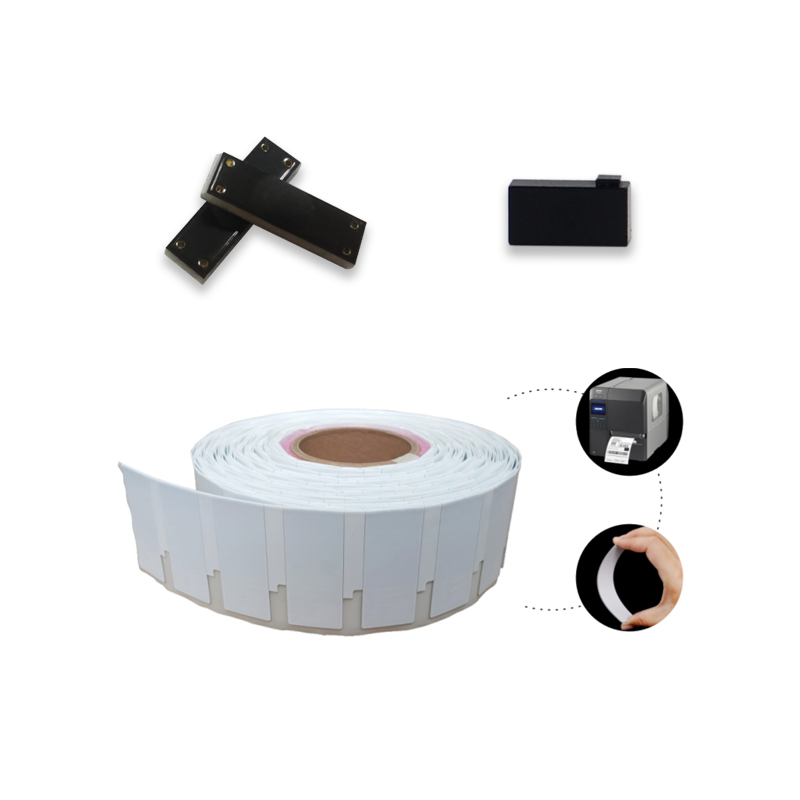
Anti-metal tag
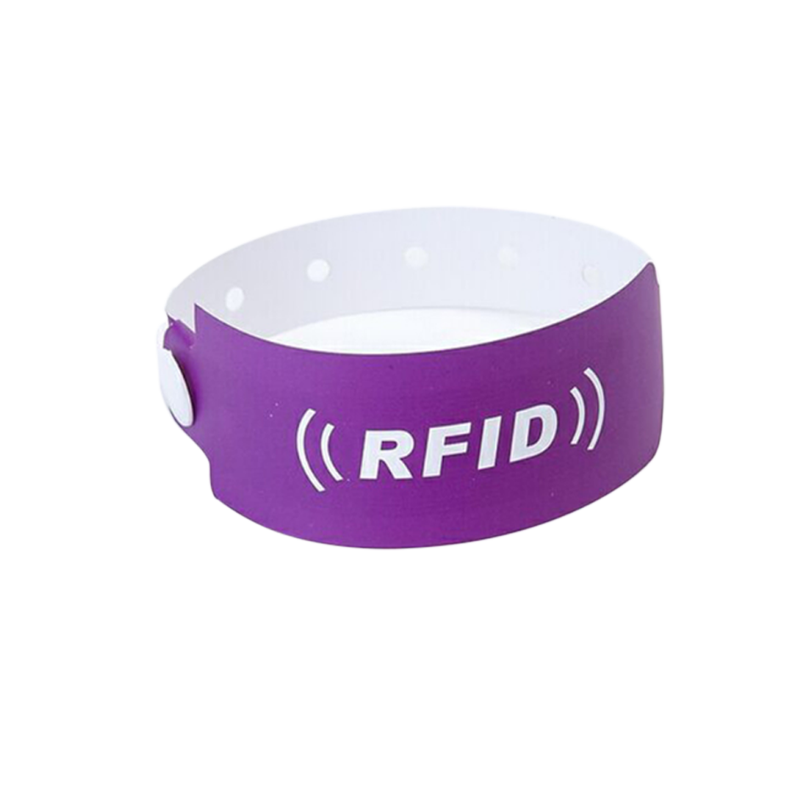
RFID Wristband

Dual-Frequency Blood Bag Tag
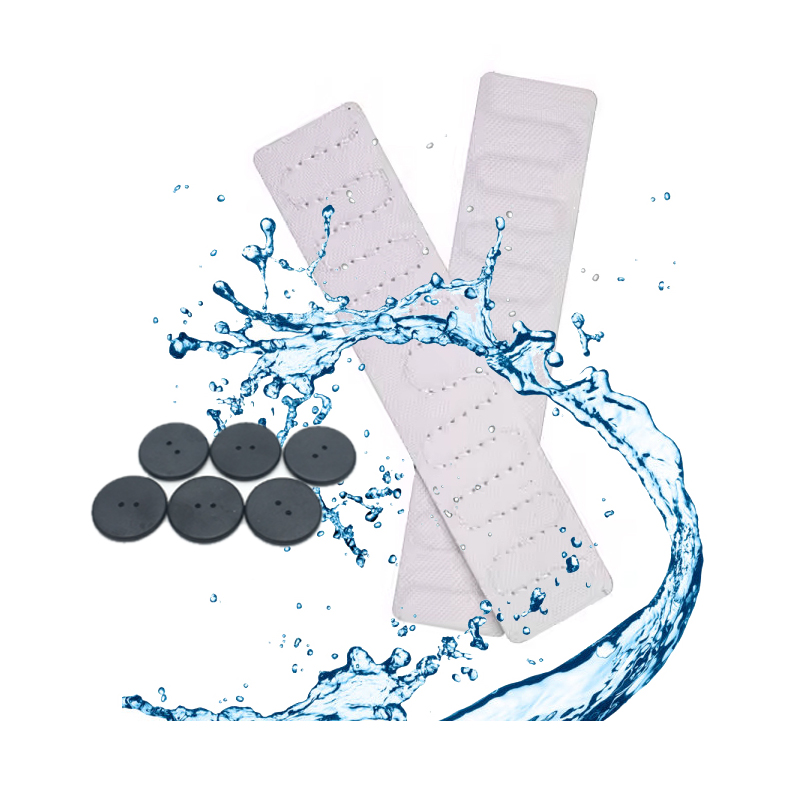
RFID laundry tags
Step 2:Focus on the overall performance of labels and the strength of suppliers
Performance reliability: After clarifying the scenario and tolerance requirements, performance indicators need to be further refined. Size and fit are crucial: the tag must be compact to fit confined spaces such as small medicine vials, and its antenna design and adhesive must ensure firm, flat adhesion on curved or irregular surfaces, avoiding edge lifting or bubbles. Regarding read performance, the read success rate, distance and speed under dense stacking (bulk reading capability), liquid interference, or at specific distances must be considered according to the actual application. At the same time, an appropriate chip model (such as U8, M830, etc.) should be selected based on data capacity and read/write distance requirements, and its operating frequency band must comply with the radio regulations of the region.
Supplier experience and service:
Choose a partner that has been deeply engaged in the RFID medical field for many years and has independent R&D and production capabilities (e.g.,XGSun), which is the foundation for ensuring the long-term stability of RFID tags. Focus should be on whether the supplier can provide one-stop services from chip selection and antenna design to "printing, printing and encoding", which will greatly simplify your supply chain and ensure data accuracy. At the same time, it is necessary to examine its precision control capabilities over production details, as these details directly determine the yield, durability and performance of the final product.