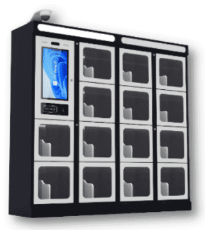
Smart Healthcare Solutions
You will find the answers here →
If you are a manager shouldering the heavy responsibilities of hospital safety management and operational efficiency, and facing cross-domain management challenges such as medication errors and omissions, lost instruments, blood transfusion risks, and even the circulation of medical textiles, perhaps you have already been thinking: how can a unified technical system be used to build a smarter defense line for medical safety?
In fact, a full-link digital solution covering "medicines-medical devices-assets-patients-blood-medical textiles" is becoming a powerful support for hospital intelligent transformation with maturity and completeness beyond imagination. This not only means saying goodbye to the inefficiency and risks of traditional manual operations, but also represents hospital management moving toward a new height of full traceability and closed-loop controllability.
Next, based on advanced passive RFID IoT technology, we will systematically explain how RFID is deeply integrated into refined healthcare management, enabling precise positioning, full-process traceability, and intelligent closed-loop management of visualized medical materials and key processes, safeguarding medical safety and improving operational efficiency.
RFID Smart Healthcare Management Application Scenarios

Intelligent Pharmaceutical Management

Medical Device Traceability

Equipment and Asset Management

Patient Information Management

Textile washing management
RFID Smart Healthcare Management SolutionIntroduction
This solution embeds a passive RFID tag into every box of medicine, every instrument, every piece of equipment, every bag of blood, every bundle of linen awaiting washing, and even every patient, giving each a unique "digital identity." By deploying read/write devices at key nodes such as pharmacies, warehouses, operating rooms, blood banks, wards, and laundries, the system can automatically and silently complete the identification, tracking, verification, and status monitoring of all items.
This builds an intelligent network with comprehensive perception, full-process visibility, and closed-loop management. It not only makes the flow of medicines and devices traceable and maximizes the utilization of high-value assets, but also extends management to life-related blood bag safety and the washing quality of hospital infection control, reducing the burden on medical staff, reinforcing multiple lines of defense for patient safety, and providing unprecedented precise data support for hospital management decisions.
Smart management usage process
RFID technology has been deeply integrated into the six core links of medical management, and its workflow has achieved comprehensive coverage and a refined management closed loop from clinical to logistics:

Specifically, this intelligent process includes the following core steps:
1. Intelligent Pharmaceutical Management:
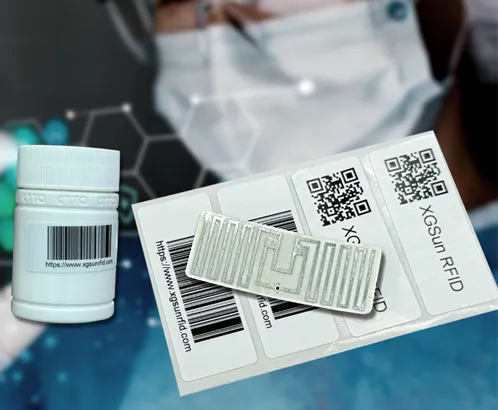
- Smart inbound:RFID tags are affixed when pharmaceuticals are received and put into storage, and the information (product name, batch, expiry date) is automatically entered into the system.
- Smart shelves:Shelves in pharmacies and central warehouses are integrated with readers to enable dynamic inventory counting, automatic expiration warnings, and out-of-stock reminders.
- Intelligent dispensing/verification:When dispensing prescriptions, the system automatically lights up to guide picking; when dispensing medication or when nurses collect medication, the reader automatically verifies the medication and prescription information to prevent errors.
2. Medical Device Traceability Management:
- Device Encoding:Attach or bind high-temperature-resistant and corrosion-resistant RFID tags to surgical instrument kits and high-value interventional consumables.
- Surgical kit verification:Packing, disinfection, distribution, use, and recycling are all recorded in batches within seconds via RFID readers/writers, enabling full-process traceability and responsible-person management.
- Post-operative counting:After surgery, instruments are counted, and the RFID reader quickly scans to ensure no instrument is left inside the patient's body, eliminating medical accidents.
3. Application Process for Medical Equipment and Asset Management:
- Rapid inventory: Staff walk through departments with handheld readers to read equipment information remotely and in batches, enabling hospital-wide inventory in minutes with accuracy exceeding 99%.
- Real-time positioning: Deploy readers in key areas to automatically record equipment movement trajectories, with the system map displaying locations in real time, solving the problem of "not being able to find it when urgently needed."
- Operations such as equipment use, borrowing and returning, inspection, and maintenance can all be quickly recorded by scanning tags, with status updated in real time.
- The system automatically generates analysis and reports, providing precise data support for optimizing configuration, improving utilization, and formulating procurement and disposal plans.
4. Patient safety and process management:
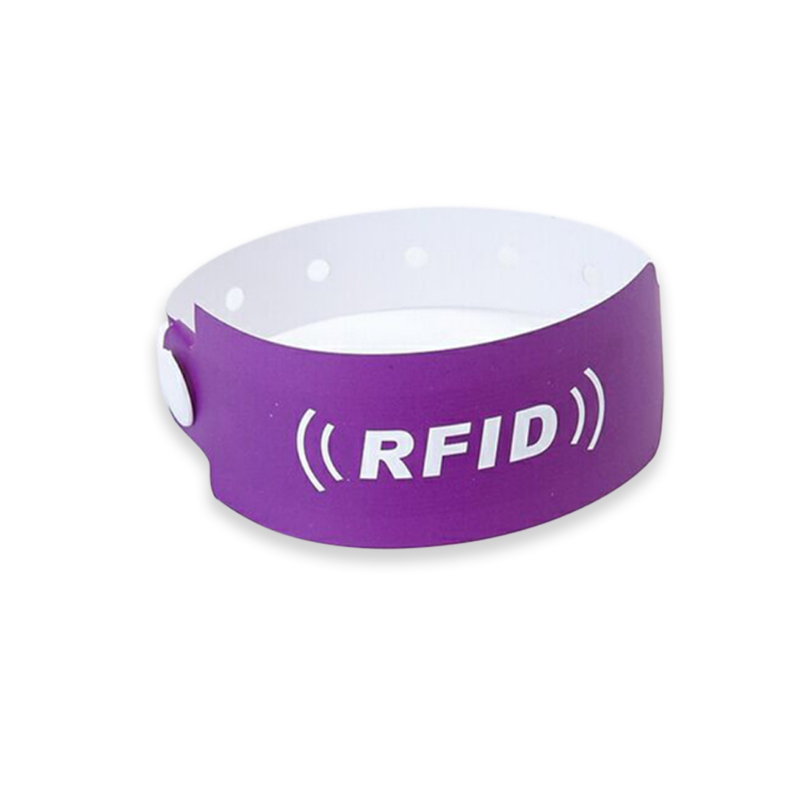
- Patient wristbands:Put an RFID chip wristband on the patient as their unique identity throughout hospitalization.
- Identity verification:Before medication administration, blood transfusion, or treatment, nurses scan the wristband with a handheld device to automatically verify patient information against the treatment content, ensuring the "five rights."
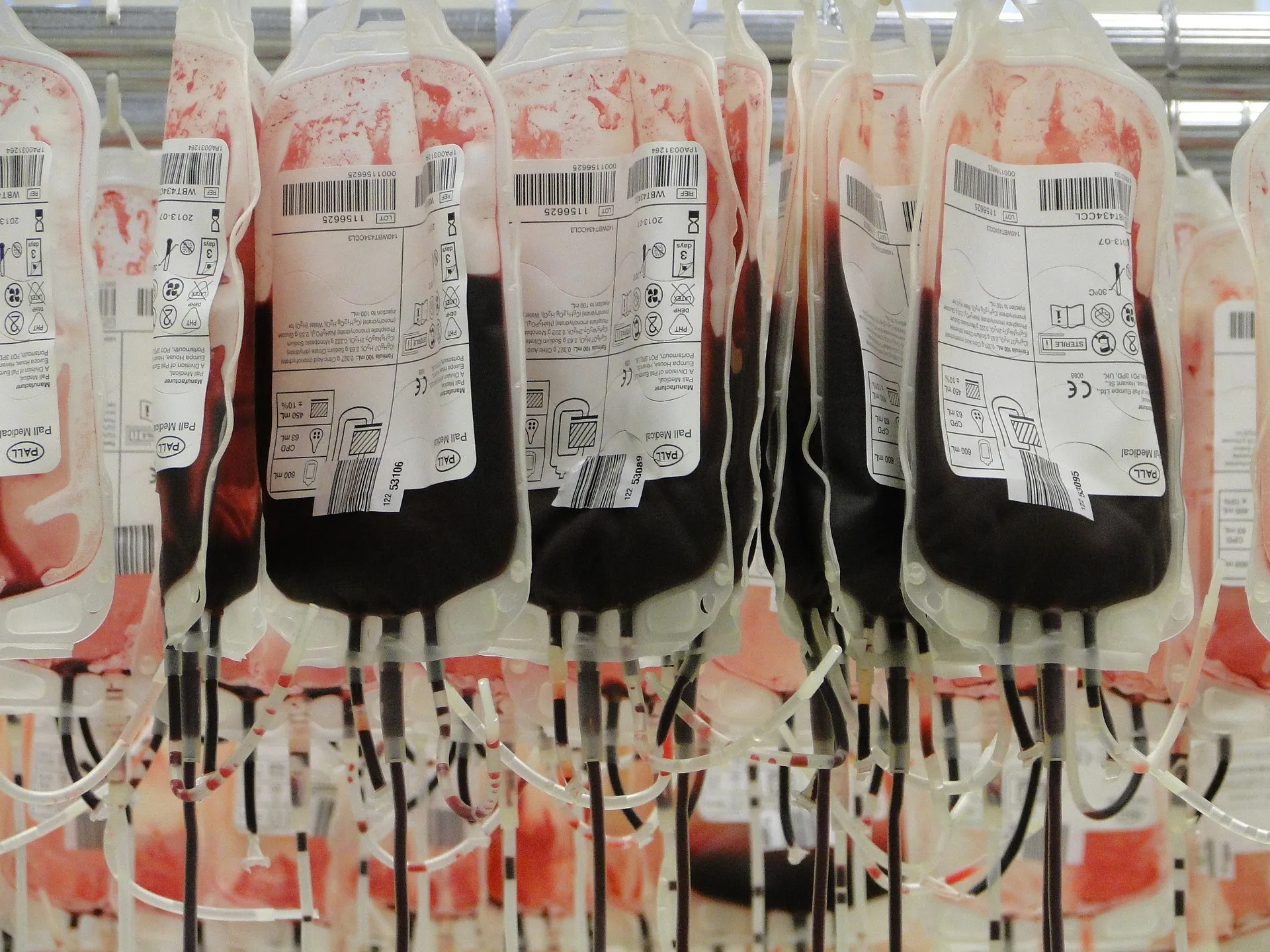
5. Smart blood bag safety management:
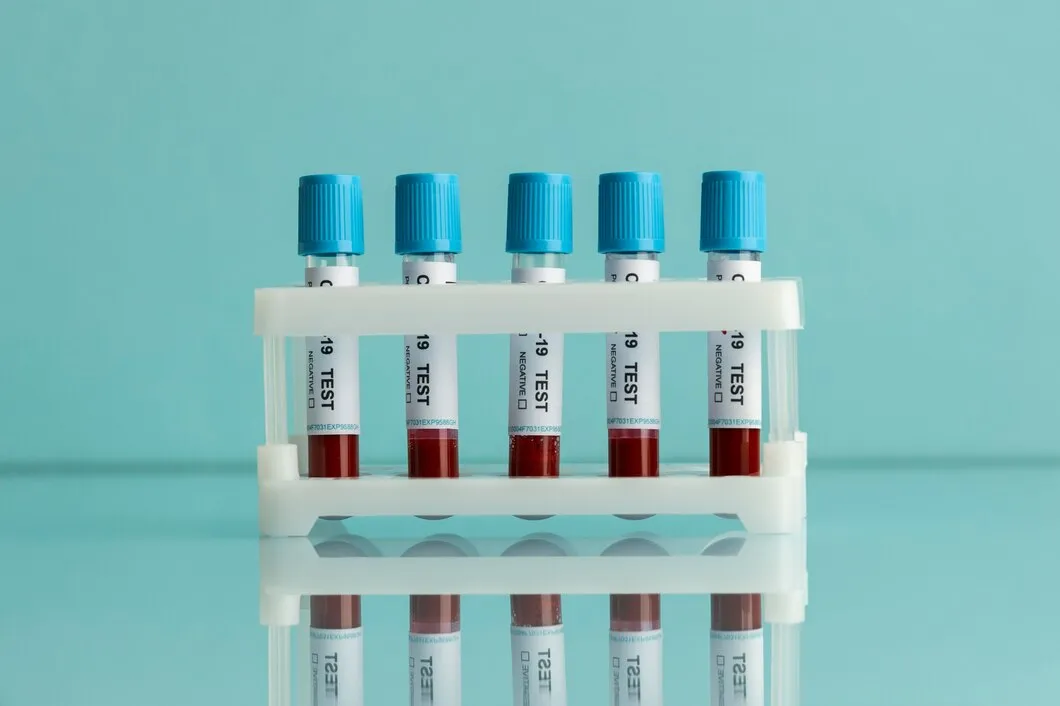
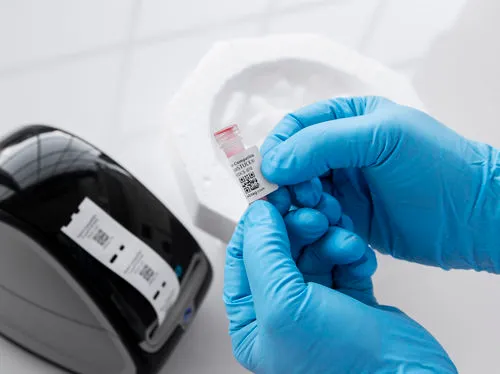
- Blood bag coding and information binding:An RFID tag is bound during the blood bag preparation stage, and key data such as blood components, blood type, donor information, preparation date and expiration date are written at once, accompanying the blood bag throughout its entire life cycle.
- Smart inbound/outbound and storage monitoring:Blood bank refrigerators are equipped with read/write devices to enable automatic inventory counting and automatic expiration warnings. During inbound and outbound operations, batch scanning takes only seconds to ensure information accuracy, and can be linked with cold chain monitoring systems to safeguard blood storage safety.
- Closed-loop verification before blood transfusion:Nurses use handheld terminals to simultaneously scan patient wristbands and blood bag tags, and the system automatically performsTwo-person verification(blood type, expiration date, cross-matching results, etc.), with voice or screen prompts to verify the results, fundamentally eliminating transfusion errors
6. Intelligent Washing Management of Hospital Medical Textiles:
Precise dispensing of cleaning packs:Through RFID management, the clean warehouse quickly and accurately distributes clean surgical gowns, patient gowns, bed sheets, and other items requested by various departments, and automatically generates circulation records to achieve cost allocation.
Intelligent Collection of Contaminated Linens:When contaminated linens are placed in wards and operating rooms, the department, type, and weight are quickly identified and recorded through RFID channels or handheld devices, enabling quantitative management.
Full-process traceability of the washing process:Each pack of linen is automatically recorded in each process of sorting, washing, disinfection, ironing, and packing, ensuring that the washing process complies with hospital infection control standards and can be traced to specific batches and operators.
We understand the issues you care about →
Pain Points Solved
| Core pain points | RFID Solutions |
|---|---|
| Chaotic drug management, high pressure from expiry and inventory counting | Intelligent medication management: Real-time inventory visualization, automatic expiration warnings, inventory counting efficiency improved by 95%, and dispensing error rates approaching zero. |
| Surgical instrument traceability is difficult and counting efficiency is low | Full-process instrument traceability: Realizes full traceability of "one person, one pack, one code," improves counting efficiency by 80%, and effectively prevents instruments from being left behind. |
| High-value assets/equipment are difficult to locate and have low utilization rates | Visualized asset management: quickly locate idle equipment, analyze utilization rates, and increase asset utilization by more than 30%. |
| High risk of medical errors and cumbersome verification processes | Smart identity verification: Through the linkage of patient RFID wristbands and medication/consumable tags, automatic verification is performed before key operations to ensure patient safety. |
| High-cost consumables suffer from high cost loss and extensive management | Refined consumables management: Monitor the entire process of consumables from warehousing and requisition to billing, eliminate "leakage and waste," and achieve precise billing with "one item, one code." |
| Reliance on manual records leads to delayed and error-prone data | Process automation and real-time data: Fully automated, contactless data collection throughout the entire process, synchronized in real time, providing accurate and timely basis for management decisions. |
| Blood bag management relies on manual verification, posing high risks to transfusion safety. | Closed-loop safety verification: Automatically matches and double-verifies patient and blood bag information, reducing the risk of transfusion verification errors to nearly zero. |
| Blood inventory is opaque, expiry management is difficult, and waste is likely | Smart blood bank visualization: real-time visibility into blood bank inventory levels, blood type distribution, and expiration dates enables first-in-first-out management and automatic alerts, optimizing blood allocation and reducing expiration waste. |
| Unclear quantities of medical textile collection and distribution, and difficult traceability of washing quality | Full-process quantitative traceability: Every step of linen from collection to distribution is electronically recorded, with quantities, departments, and washing processes clearly traceable, ensuring accountability for hospital infection control. |
| Low circulation efficiency of surgical gowns, drapes, and similar items, prone to shortages | Precise delivery of cleaning supplies: Based on RFID circulation data, predict the needs of each department, achieve efficient and precise delivery and inventory management of cleaning packs, and ensure clinical supply. |
| Imprecise allocation of fabric processing costs and extensive internal management | Refined cost accounting: By accurately recording the types and quantities of linen used by each department, it provides precise data for internal cost accounting and management optimization. |
RFID Empowerment Results
1, safety and quality improvement
Medical error (wrong medication, retained instruments) risk reduced by more than 99%.
Achieve 100% full-process traceability of drugs, instruments and consumables.
Patient identity verification accuracy reaches 100%.
The accuracy rate of blood transfusion safety verification reaches 100%, significantly reducing major medical risks.
Blood product expiration waste rate reduced by more than 30%.
The compliance traceability rate of the medical textile washing process reaches 100%, helping with hospital infection control.
2、Multiplied operational efficiency
Inventory counting efficiency improved by more than 95%.
Surgical instrument counting and packing efficiency improved by 80%.
Time spent searching for equipment and materials reduced by 70%.
The accuracy rate of blood transfusion safety verification reaches 100%, significantly reducing major medical risks.
Blood product expiration waste rate reduced by more than 30%.
The compliance traceability rate of the medical textile washing process reaches 100%, helping with hospital infection control.
3、Significant economic benefits
Inventory turnover increased by 20%-35%, reducing capital tied up.
Asset and equipment utilization increased by 25%-40%.
High-value consumable loss rate reduced by 15%-25%.
Significantly reduce potential compensation and dispute costs caused by medical errors.
Related product recommendations
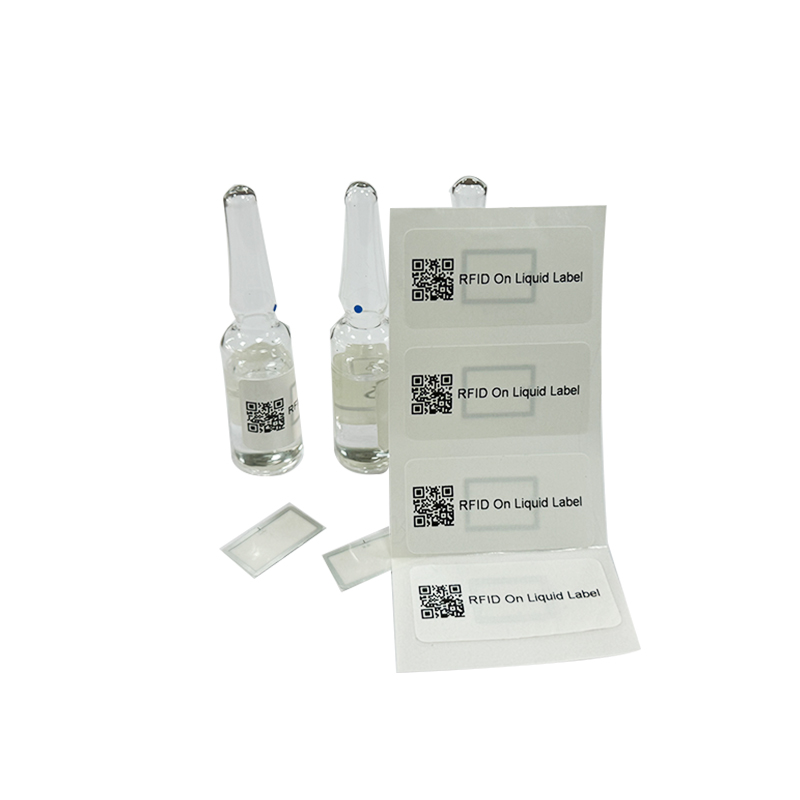
RFID adhesive label
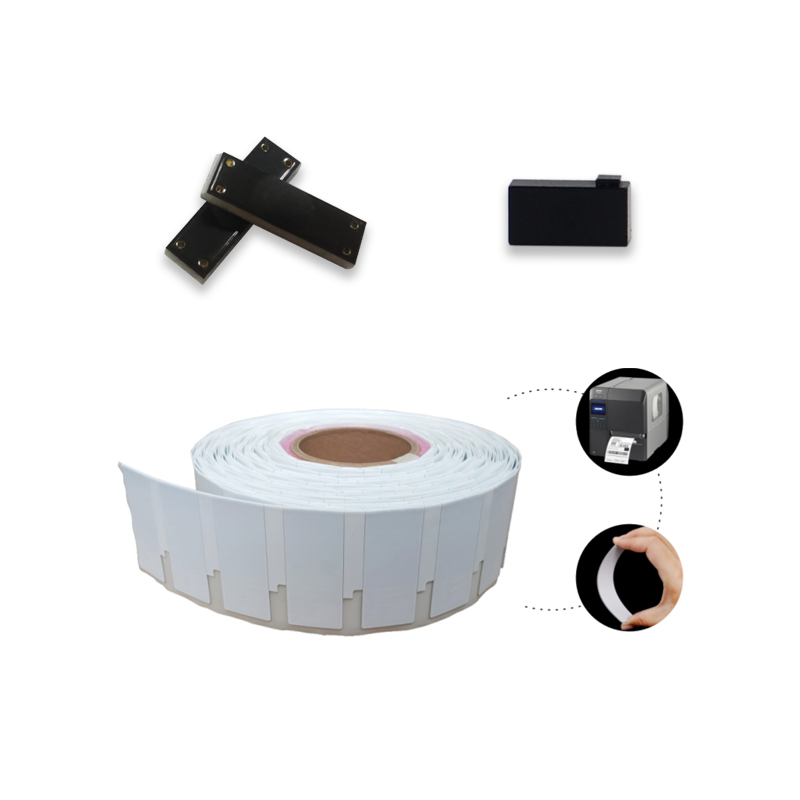
RFID Anti-Metal Tag
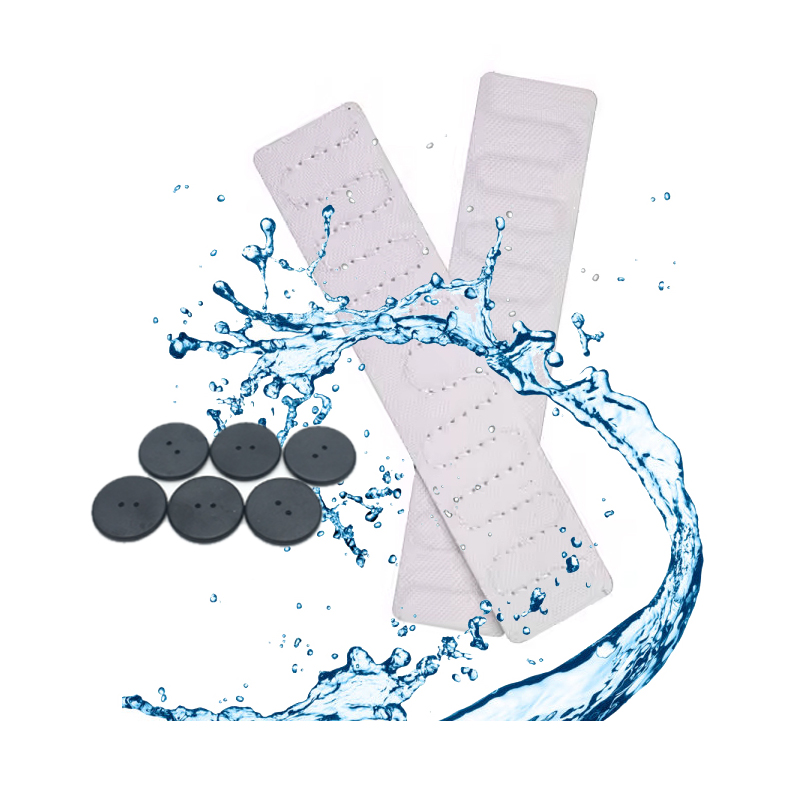
RFID laundry tags
RFID Wristband

RFID reading and writing devices
RFID printer