
RFID asset management tags
- RFID tags
- Features
- Industry Applications
- Warehousing and logistics
- Animal management
- Healthcare
- Library & Archive Management
- Laundry Management
- Tobacco management
- Item Management
- Jewelry Management
- Power management
- Beauty and Personal Care Management
- Aviation Management
- Asset management
- Event Timing
- Vehicle identification
- Footwear and apparel management
- Food control
- Printing Equipment
- Specialty Tags
- Reader/writer devices
I. Core Benefits of Using RFID Asset Tags
RFID asset management tags are not just the "ID cards" of assets but also the cornerstone for enterprises to achieve digital asset management. The value they bring far exceeds that of traditional labels (such as barcodes and QR codes), specifically in: ultimate inventory efficiency, precise dynamic tracking, optimized asset utilization, and strong environmental adaptability.
XGSunThe RFID asset management tags we develop and produce can safeguard the construction of a complete and intelligent asset management system for you!
II. How to Choose a Suitable RFID Asset Management Label
Choosing the right tag is key to the success of an RFID project. Follow these four steps to ensure the tag perfectly matches your assets and environment:
Step 1: Check the material — determine the properties of the surface to be applied
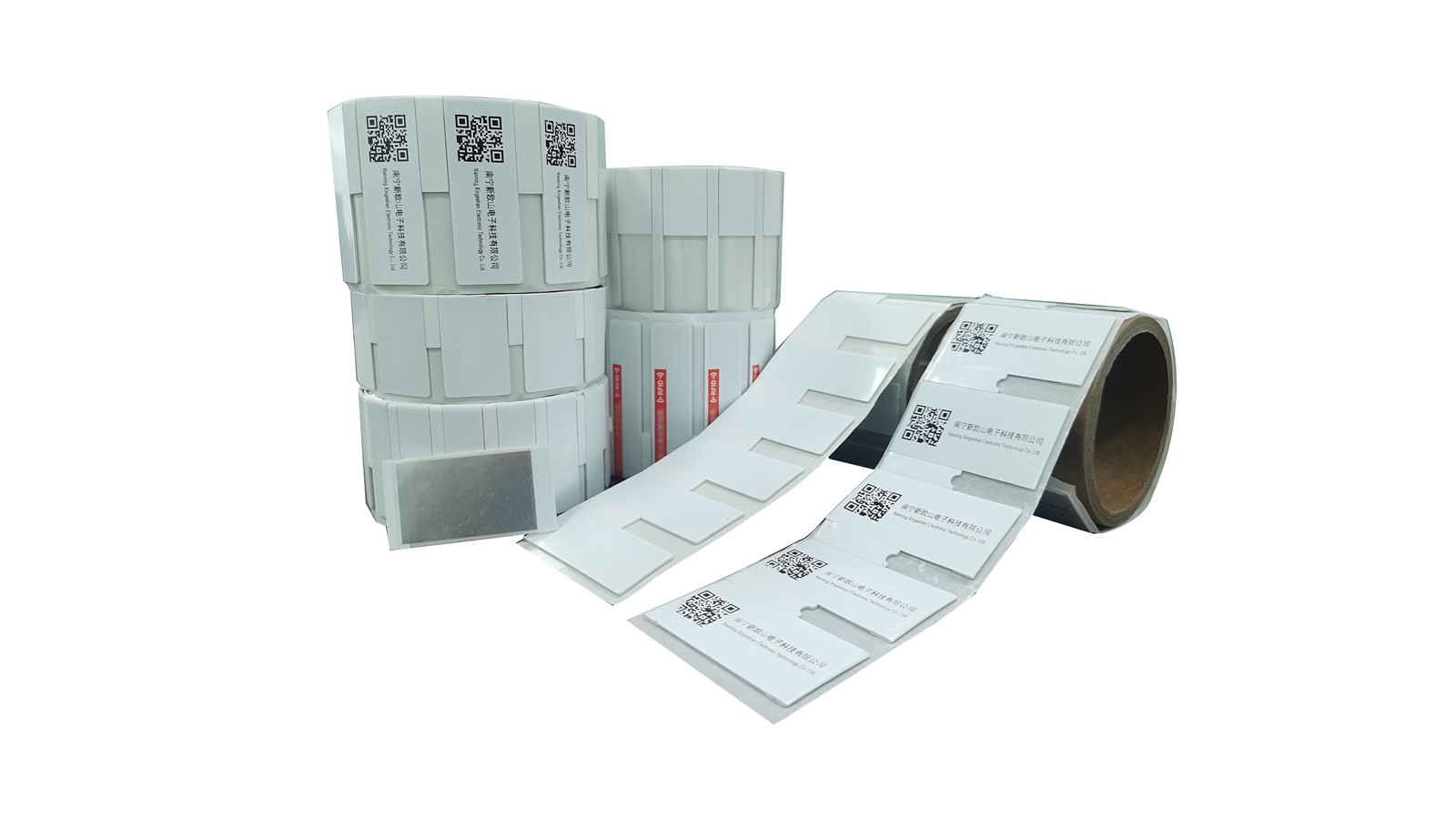
Non-metallic surfaces (such as wooden furniture, plastic housings, paper archives): first choiceRFID adhesive labels, low cost and easy to attach.
Metal surfaces (such as server cabinets, production equipment, metal shelves, tool cabinets): must useRFID Anti-Metal Tag. The signal of ordinary tags is shielded by metal and fails. Anti-metal tags are specially designed to solve this problem.
Step 2: Consider the environment — evaluate the tag's working conditions
After determining that an anti-metal tag is needed, environmental factors must be further considered.
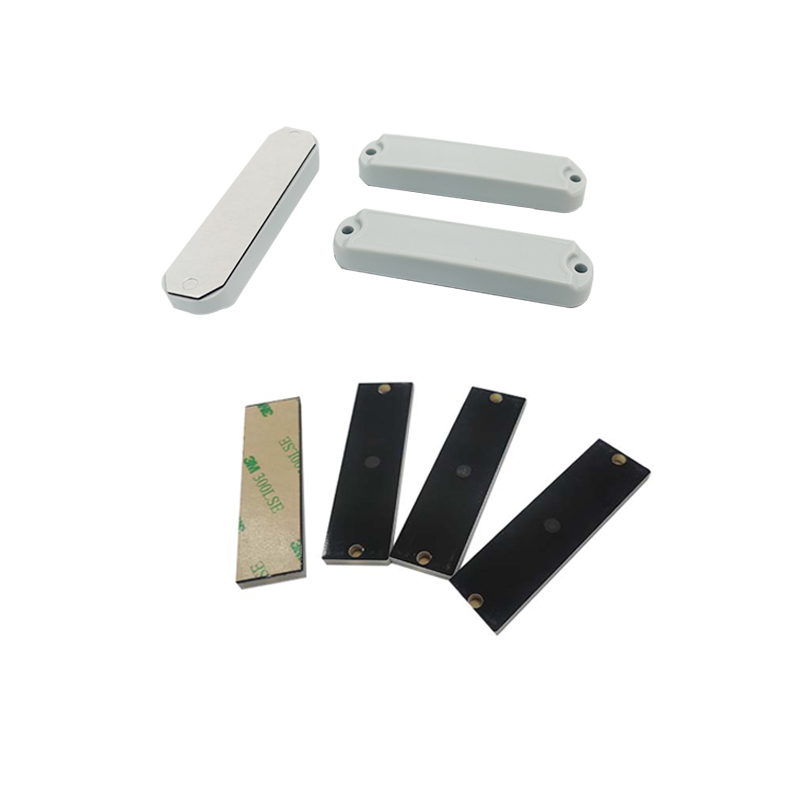
General indoor environment: SelectRFID flexible anti-metal tagoptimal cost; or useRFID PCB Anti-Metal TagorRFID ABS Anti-metal Label, the cost is higher than flexible anti-metal tags, but it can be fixed with rivets and reused.

High-temperature environments (such as baking lines, boiler rooms, near welding equipment):
For short-term or long-term exposure above 260℃, you must chooseHigh-Temperature and Anti-Metal RFID Tags(such asXGSunThe developed high-temperature-resistant anti-metal tag can support continuous operation at 300°C).
Outdoor or harsh industrial environments (dusty, humid, with physical impacts):
Choose tags with high-strength encapsulation, such asRFID ABS Anti-metal Label(IP68 waterproof and dustproof, impact-resistant) or ceramic tags (corrosion-resistant, stable performance).

RFID adhesive label
RFID flexible anti-metal tag
RFID Specialty Tags
Step 3: Check performance—clarify read/write distance and size requirements
Reading distance: For batch identification over long distances (such as warehouse gates and passages), choose tags with a long reading distance, such asXGSunRFID ABS Anti-metal Label(up to 11 meters). For close-range precise management (such as tool cabinets and small precision instruments), tags with short reading distances (such as small PCB anti-metal tags and mini ceramic tags, 0.8 meters) are sufficient and more economical.
Tag size:
Large assets (such as shelves, vehicles, and large equipment): Not sensitive to size; standard or large tags can be selected for better performance.
Small/precision assets (such as surgical instruments, molds, laptops): mini tags must be selected, such as XGSunRFID PCB Tag(12x4mm) orRFID Mini Ceramic Tag(4x4x3mm), ensuring it does not affect equipment use and is easy to apply.
Step 4: Check certifications and cost — ensure compliance and cost-effectiveness
Industry certifications: Confirm that the tags comply with the radio frequency standards of the region where the project is located (such as US FCC and EU ETSI) and possess environmental certifications such as ROHS, ensuring legal and compliant use.
Total cost of ownership: On the premise of meeting all the aforementioned technical requirements, choose the product with the highest cost-effectiveness. Avoid a price-only approach and comprehensively consider tag durability, reliability, and maintenance costs.
Supplier experience and service:
Choose something likeXGSunSuppliers that have likewise been deeply engaged in the field for many years and possess independent R&D and production capabilities offer greater quality assurance. Confirm whether the supplier can provide one-stop services for "printing, presswork, and encoding," which can greatly simplify your supply chain management.