
RFID logistics management label
- RFID tags
- Features
- Industry Applications
- Warehousing and logistics
- Animal management
- Healthcare
- Library & Archive Management
- Laundry Management
- Tobacco management
- Item Management
- Jewelry Management
- Power management
- Beauty and Personal Care Management
- Aviation Management
- Asset management
- Event Timing
- Vehicle identification
- Footwear and apparel management
- Food control
- Printing Equipment
- Specialty Tags
- Reader/writer devices
I. Core Benefits of Using RFID Logistics Tags
In logistics management, RFID tags are the core cornerstone for achieving full-chain digitalization and automation. By giving each logistics unit a unique "digital ID," they drive revolutionary improvements in operational efficiency and transparency.
Enables second-level batch inbound and outbound verification andHigh-speed automatic sorting of over ten thousand items per hour;Accuracy approaches 100%, eliminating mis-sorting, missed scans, and information delays; from shipment to receipt,Full-process real-time visual tracking。XGSunR&D and ProductionRFID Logistics Labels, providing full protection for your complete logistics system.

II. How to choose a suitable RFID logistics tag
Selecting RFID electronic tags for your logistics system is a systematic process of matching complex operational requirements with precise technical parameters. The right choice is the key to achievingCost Reduction and Efficiency ImprovementThe key to the goal is to follow the path below when making decisions:
Step 1: Clarify the management objects and core operational scenarios
First, determine what object the tag needs to be attached to and what logistics process that object will go through. This is the primary basis for choosing the tag type and determining the performance level.
1. If you are managing standard parcels and cartons and seeking high cost-effectiveness and fast labeling, your first choice should beGeneral-Purpose RFID Adhesive Labels. The appropriate size should be selected according to the package dimensions and the required reading distance (e.g.,4×4 inches or 4×6 inches)。
2. If managing returnable unit load carriers such as logistics pallets, the tag will face long-term, repeated cyclic use and rough handling. DedicatedPVC RFID Pallet Tag, and its core requirements are a robust physical structure, impact resistance, and mechanical fixation (such as screw holes) to ensure it stays firmly in place throughout its lifecycle without falling off.
3. The chip features a special protective design, and the highly adhesive label can be applied to returnable crates, ensuring impact resistance and secure adhesion without falling off during repeated use.
4. For tags that need to be sewn into logistics woven bags, we recommend using foam-basedRFID Foam Label, with good cushioning and durability characteristics.
5. If management requires goods to be transported in harsh environments such as outdoors, cold chain or chemical environments, or heavy assets such as containers, the environmental durability of the tag becomes the primary consideration. Tags made withSpecial tags in RFID ABS hard-shell or PCB packaging, which must reliably withstand rain, condensation, extreme temperatures, chemical corrosion and continuous vibration.
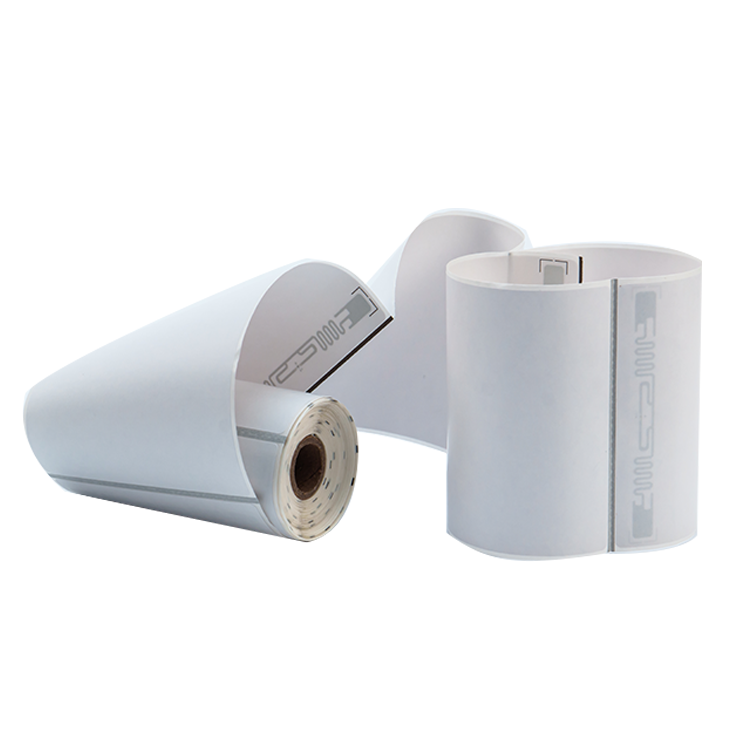
RFID Large-Size Labels
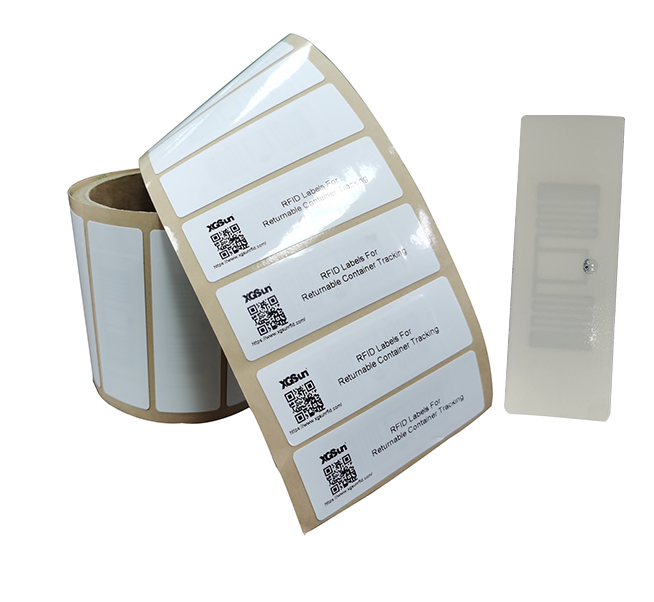
RFID Returnable Container Labels
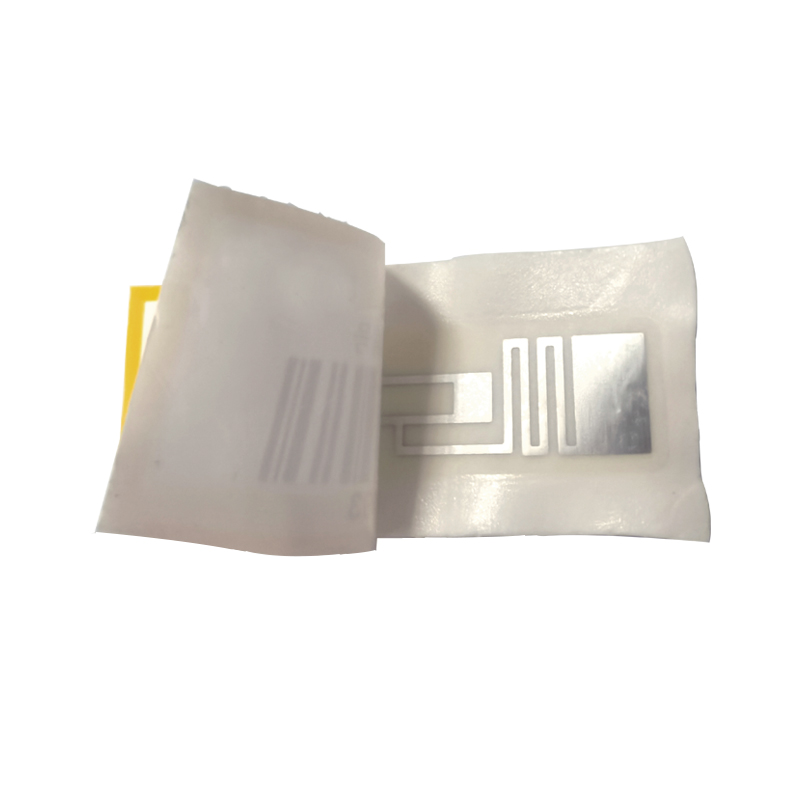
RFID Logistics Foam Tag
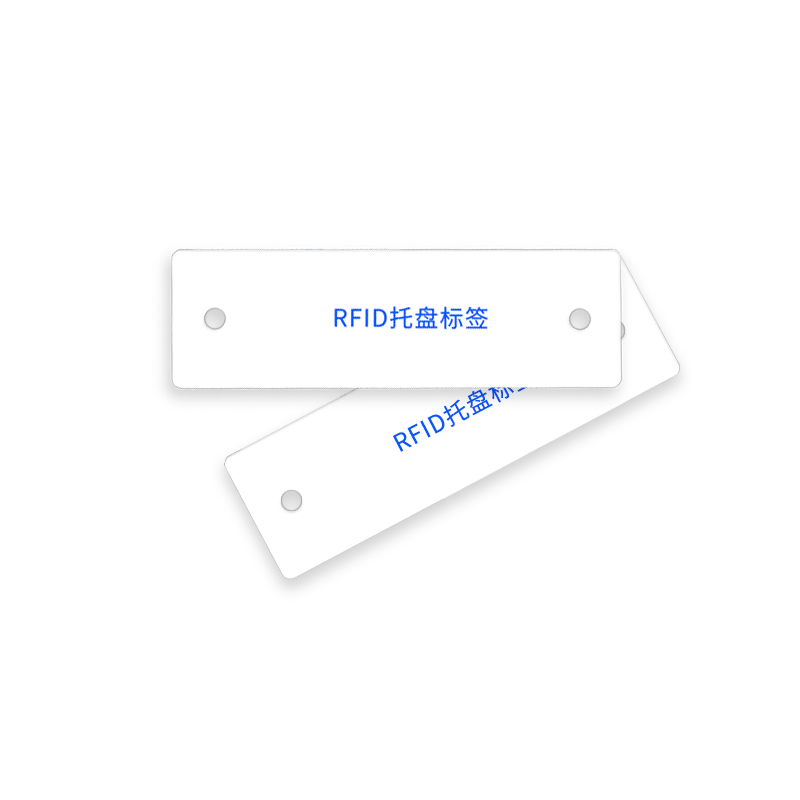
RFID PVC pallet tag
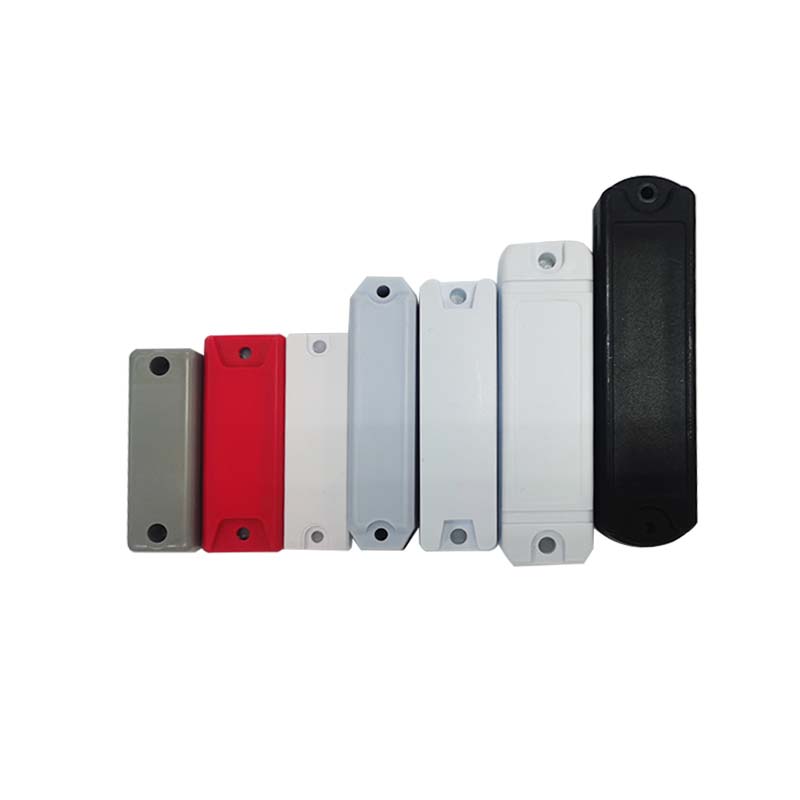
ABS Anti-Metal Tag

PCB Anti-Metal Tag
Step 2: Assess the Harsh Challenges the Work Environment Poses to Tags
The logistics environment is full of challenges, and labels must work stably within it.
Reading performance requirements: Determine the required reading distance, speed, and multi-tag reading (anti-collision) capability based on the operation node (such as high-speed sorting lines, dock passage gates). High-speed sorting scenarios require tags with excellent instantaneous response and bulk reading performance.
Physical and chemical challenges: Will the tag be exposed to outdoor sun and rain, temperature fluctuations, frequent friction and impact, or contact with oil stains and condensation? This directly determines the durability of the tag surface material (such as whether a protective film is needed), the strength of the adhesive, and the grade of the packaging material.
Service life requirement: Is it for single use (such as one-way transport packages), or does it need to be reused hundreds or even thousands of times (such as pallets and returnable crates)? In reusable scenarios, the durability requirements for tags increase exponentially.
Step 3: Evaluate the supplier's professional capabilities and quality control details
For logistics tags, especially large-size and specialty tags, production quality directly affects usage performance.
Production Experience and Craftsmanship: Choose a partner likeXGSuna supplier that has been deeply engaged in the field for many years and has its own production capabilities. Large-size tags are prone to process challenges such as "inlay cutting offset" and "roll material warping," and only experienced manufacturers can ensure the flatness, consistency, and yield rate of each tag.
One-stop service capability: Confirm whether the supplier can provide one-stop "printing, printing, and encoding" services. This is crucial for logistics labels that need to carry rich label information (such as barcodes, LOGOs, and text), and can greatly simplify your supply chain management process.
Key quality control details: Pay attention to the supplier's design of chip protection structures (anti-collision), selection and testing of adhesives (adhesion on different material surfaces and at different temperatures), and control of packaging sealing (waterproof and dustproof) and other details. These details are the invisible guarantee that tags work stably in real, demanding logistics environments.