
RFID Specialty Tags
- RFID tags
- Features
- Industry Applications
- Warehousing and logistics
- Animal management
- Healthcare
- Library & Archive Management
- Laundry Management
- Tobacco management
- Item Management
- Jewelry Management
- Power management
- Beauty and Personal Care Management
- Aviation Management
- Asset management
- Event Timing
- Vehicle identification
- Footwear and apparel management
- Food control
- Printing Equipment
- Specialty Tags
- Reader/writer devices
I. Overview of RFID Special Tags
RFID specialty tags, as opposed to conventional passive RFID tags, are tags with customized designs in materials, structure, processes, and protection ratings to adapt to extreme environments, special functions, and special installation scenarios. They overcome the shortcomings of ordinary tags such as poor weather resistance, easy damage, and limited installation, and are specifically used in industrial and specialty industry scenarios where conventional tags cannot perform. For example: for scenarios such as high temperature, high pressure, metal, liquids, harsh outdoor environments, anti-counterfeiting and tamper-proofing, and special carriers, special substrates, special encapsulation, and dedicated antenna designs are used to achieve stable reading and writing RFID tags. Encapsulation, materials, and antennas are custom-designed, and costs are generally higher than ordinary tags.
II. Mainstream Types of RFID Specialty Labels on the Market
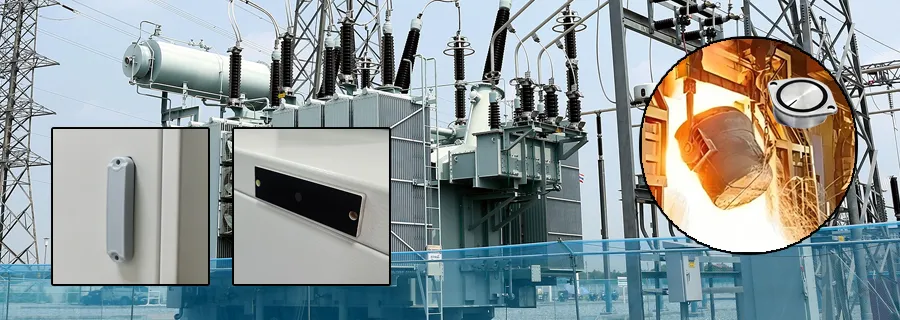
RFID PCB Anti-Metal Tag
PCB anti-metal tags are RFID electronic tags made from PCB material, optimized for metal environments. They feature strong impact resistance and corrosion resistance, adapt to various harsh environments, and offer flexible installation options including screw fixing, riveting, adhesive backing, or cable ties. This product is widely used in the management of metal assets such as metal shelves, outdoor power equipment, warehouse materials, industrial production lines, and high-pressure gas cylinders, providing reliable support for digital asset tracking, intelligent inspection, and efficient operations and maintenance.
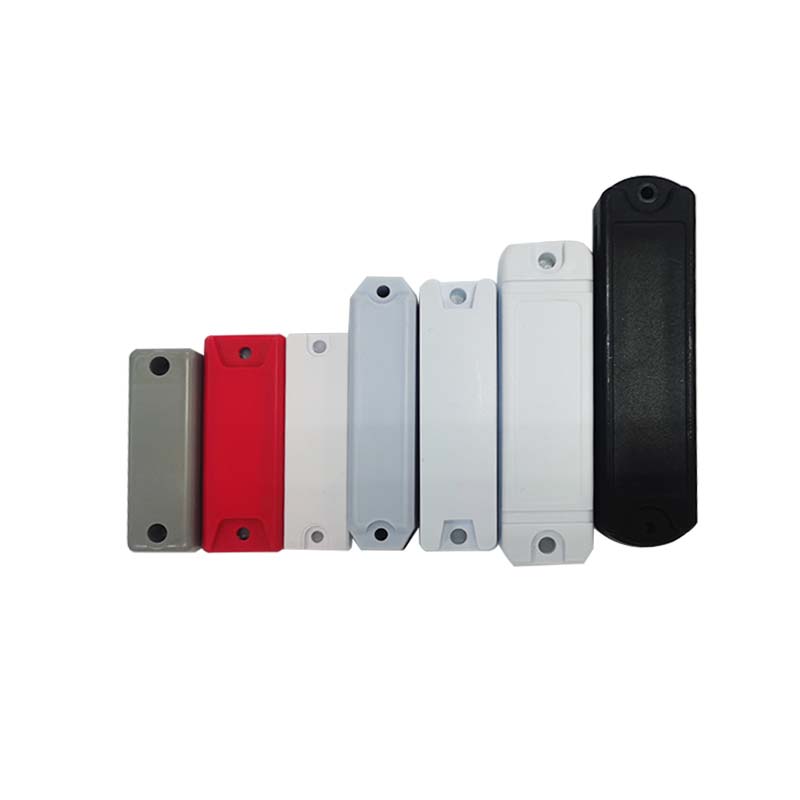
RFID ABS tag
ABS tags are common injection-molded tags, often used in logistics management. They can be mounted on the surfaces of metal, walls, wood products and plastic products. Because the surface layer has a strong protective function, they are resistant to high temperatures and moisture, making them suitable for harsh working environments.
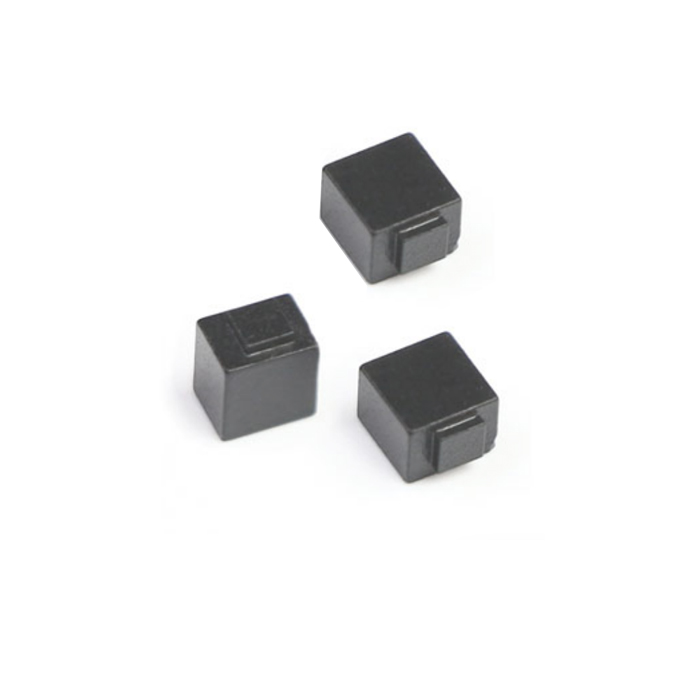
RFID ceramic tag
Ceramic electronic tags are electronic tags encapsulated based on ceramic materials. Ceramics have a relatively high dielectric constant, allowing the antenna's electrical length requirement to be met at a smaller size. The small size of ceramic anti-metal tags is a feature that PCB anti-metal tags cannot achieve. Another advantage of ceramic substrates is high-temperature resistance. Ceramic tags are fired at temperatures of over a thousand degrees, have stable chemical properties, and will not change due to high temperatures of several hundred degrees. They are mainly used in fields such as electronic components, medical device management, watches, and traceability management of precision parts.

PCB Anti-Metal Tag
RFID ABS tag
RFID ceramic tag
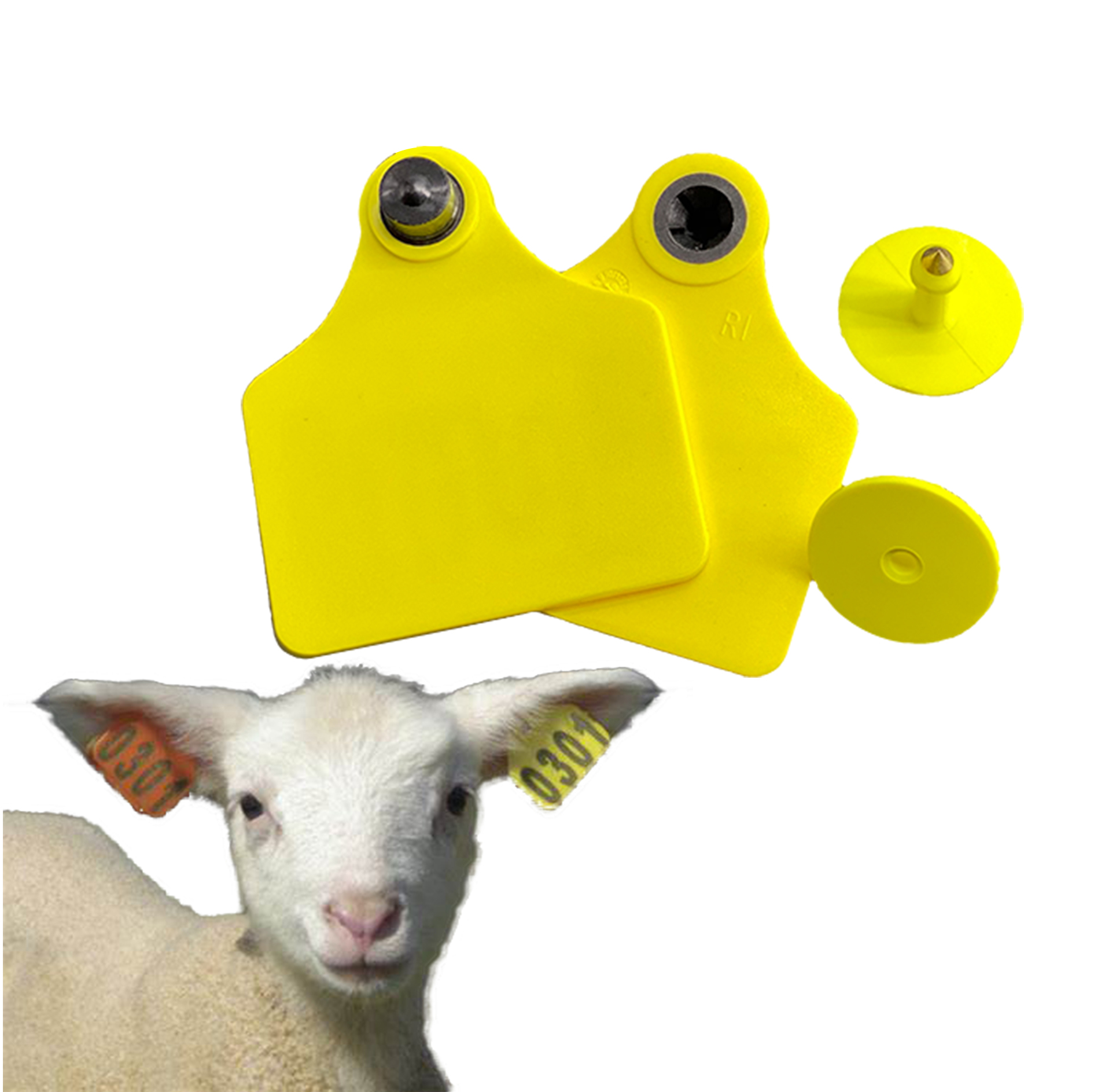
RFID animal management tags
RFID animal management tags are special RFID tags designed for scenarios such as livestock farming, pet management, wildlife protection, and laboratory animals. Combined with the physiological characteristics of animals and the breeding environment, the tags feature dedicated designs in packaging, installation methods, and chip protocols. They are mainly divided into types such as cattle, sheep, and pig ear tags, bird and poultry leg rings, and biological glass tube tags.
RFID Animal Ear Tag
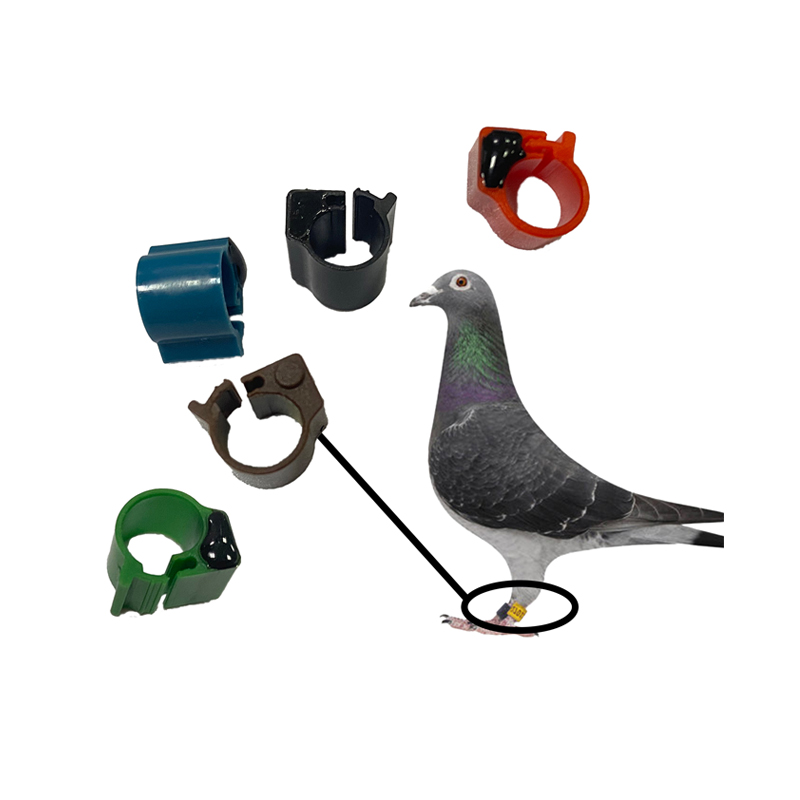
RFID Poultry Leg Bands
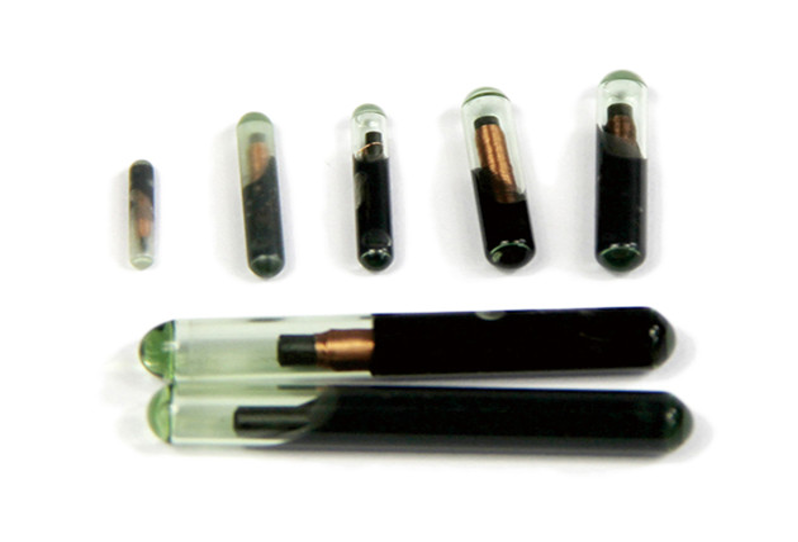
RFID biological glass tube tag
RFID cable tie tag
RFID cable tie tags are usually encapsulated in materials such as PP, nylon, ABS, or steel wire rope, featuring excellent properties such as easy installation and removal, waterproofness, and high temperature resistance. They are commonly used in fields such as logistics tracking, communications, power, industrial control, computer room cabling, and asset management.
RFID Non-woven Fabric Laundry Tag
Packaging: The outer layer uses polyester, nylon woven fabric, and full-wrap sealing, resistant to high-temperature washing, drying, and ironing, and resistant to chlorine bleaching and detergent corrosion. Appearance: Mostly long strips, the tag can be sewn into the corners, seams, and wash label positions of linens, with firm installation and not easy to fall off. Durability: Can withstand 50-200 industrial wash cycles (depending on material and process). Applicable scenarios: hotel bed sheets, duvet covers, towels, bathrobes; hospital patient gowns, surgical gowns, bedding; corporate uniforms, workwear.
Silicone Tags for Garment Washing
Silicone labels use silicone encapsulation technology and are mainly used in the laundry industry. Because silicone is soft and deformable and offers high-temperature resistance and friction resistance, it is commonly used for inventory management of towels and apparel products.
PPS Laundry Tag
PPS laundry tags are a common type of RFID tag in the linen washing industry. Their shape and size are similar to buttons, and they have strong temperature resistance. Using PPS laundry tags can make laundry management more efficient and transparent.
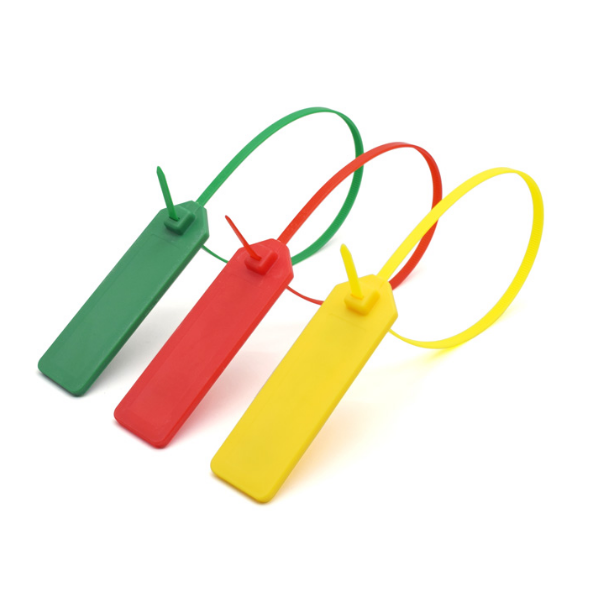
RFID cable tie tag
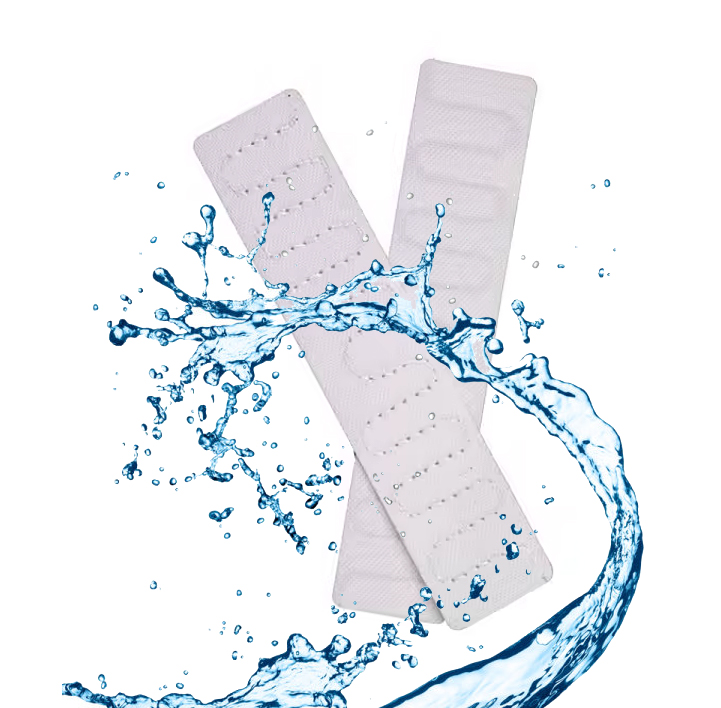
RFID Linen Washing Tag
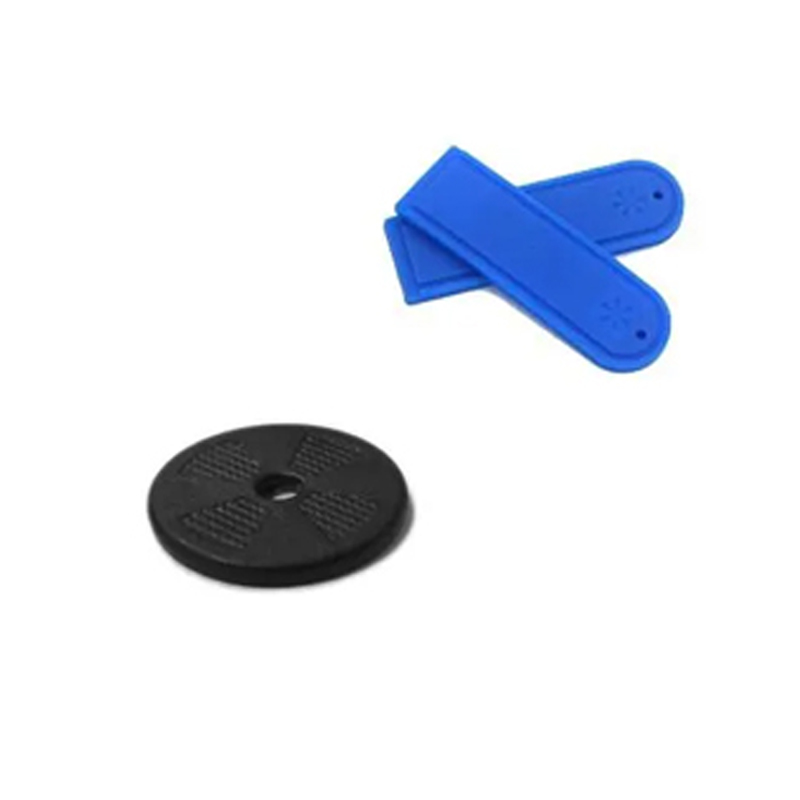
RFID silicone/PPS laundry tags
Supplier experience and service:
Choose something likeXGSunSuppliers that have likewise been deeply engaged in the field for many years and possess independent R&D and production capabilities offer greater quality assurance. Confirm whether the supplier can provide one-stop services for "printing, presswork, and encoding," which can greatly simplify your supply chain management.